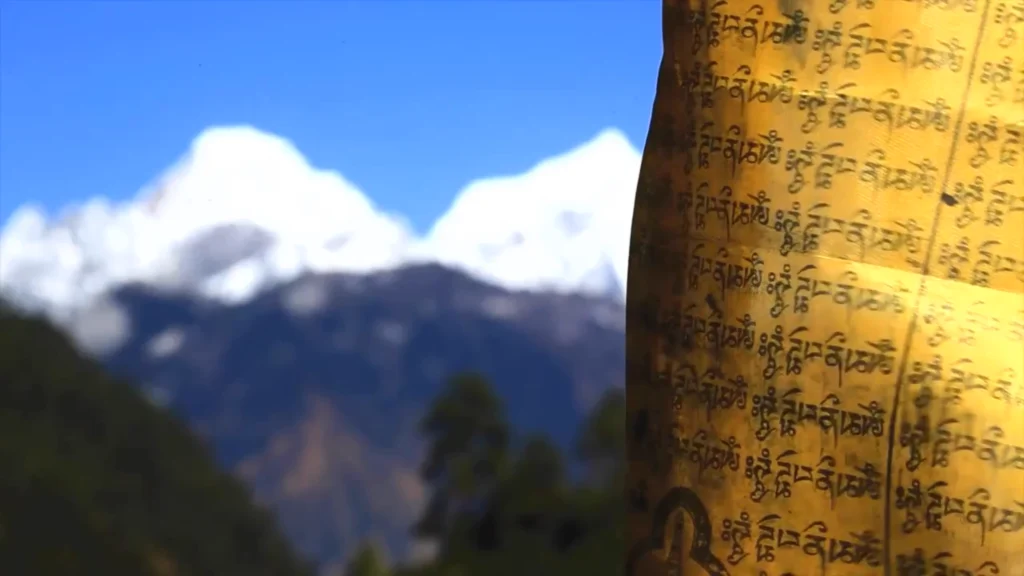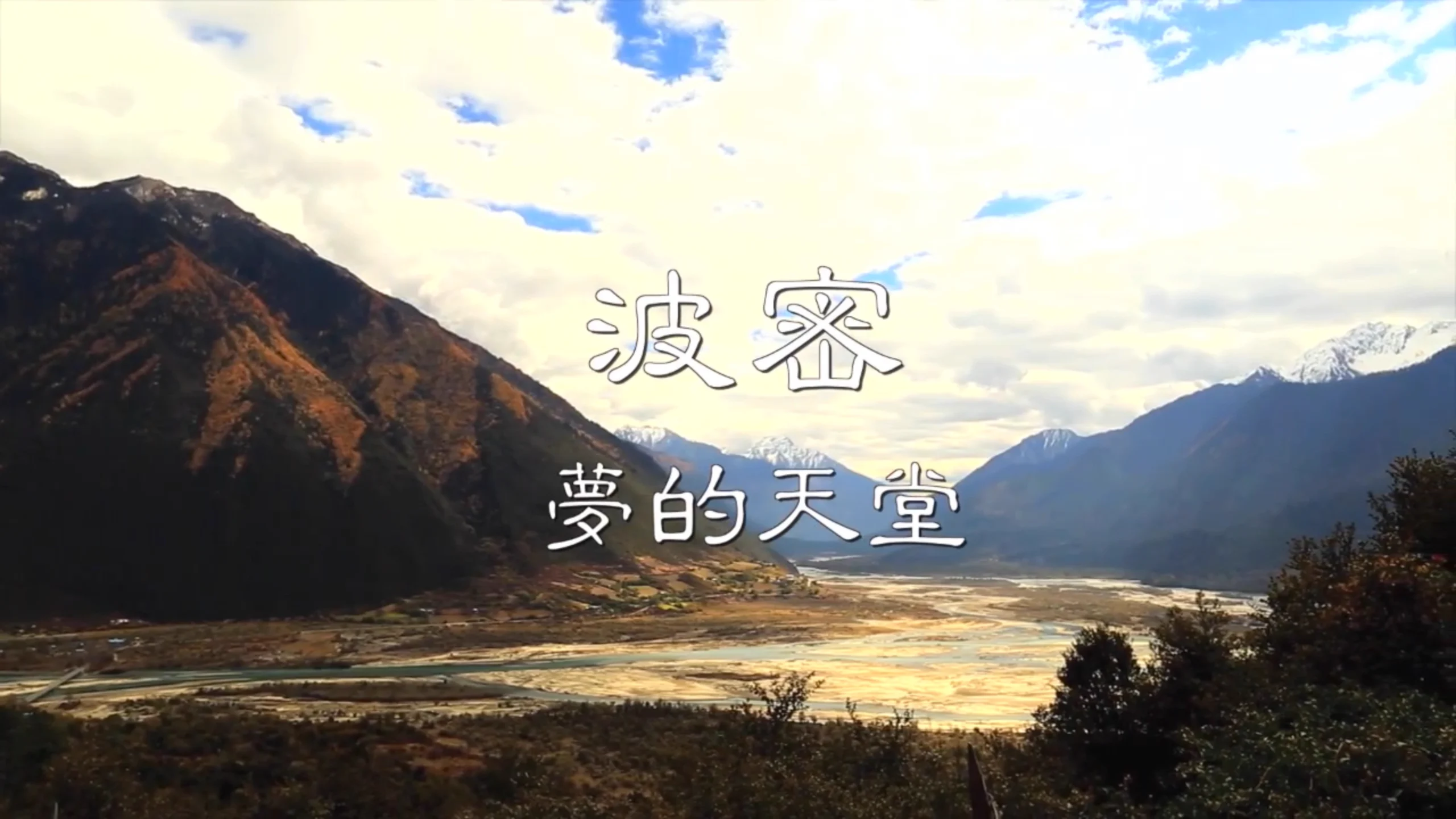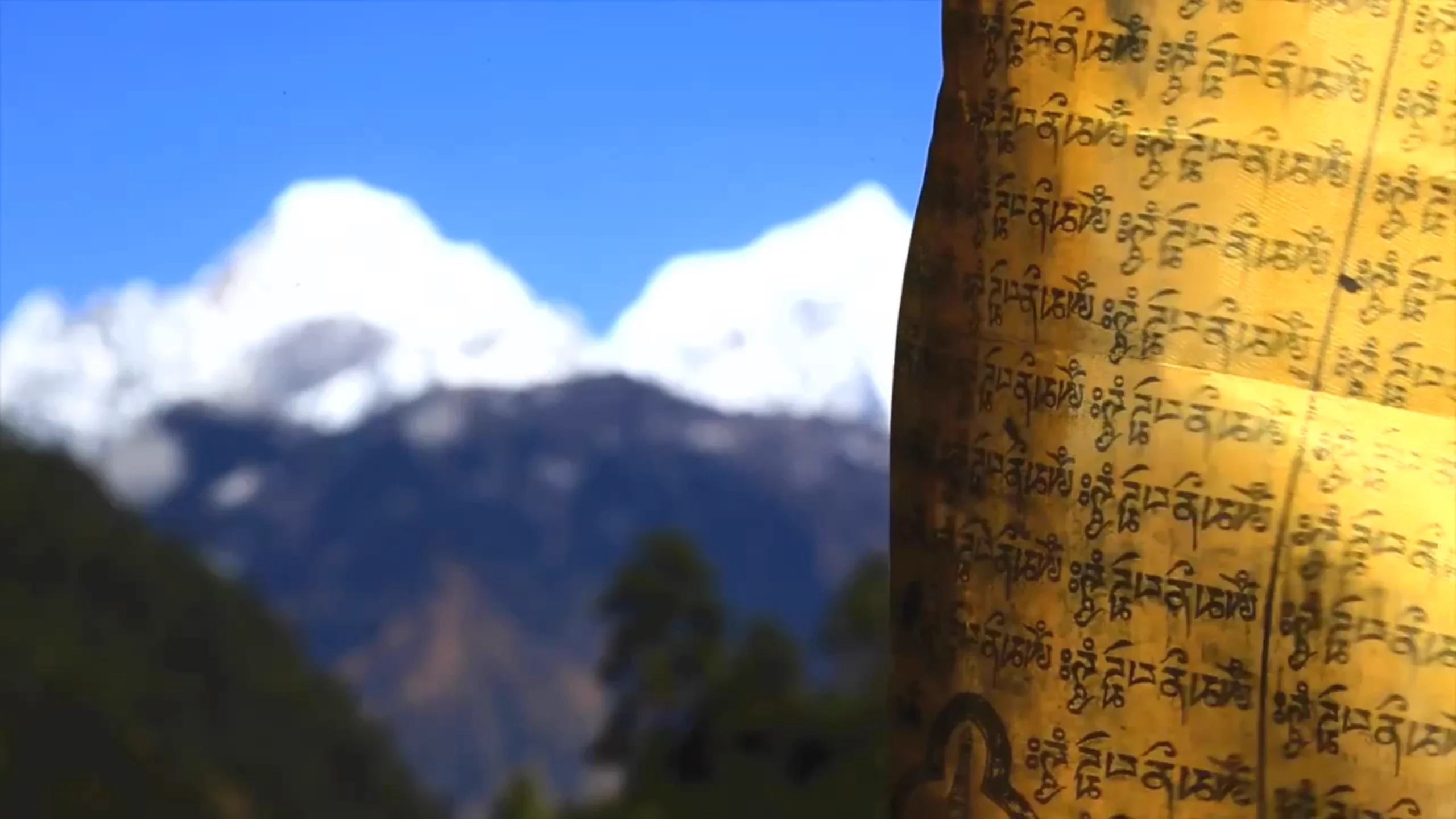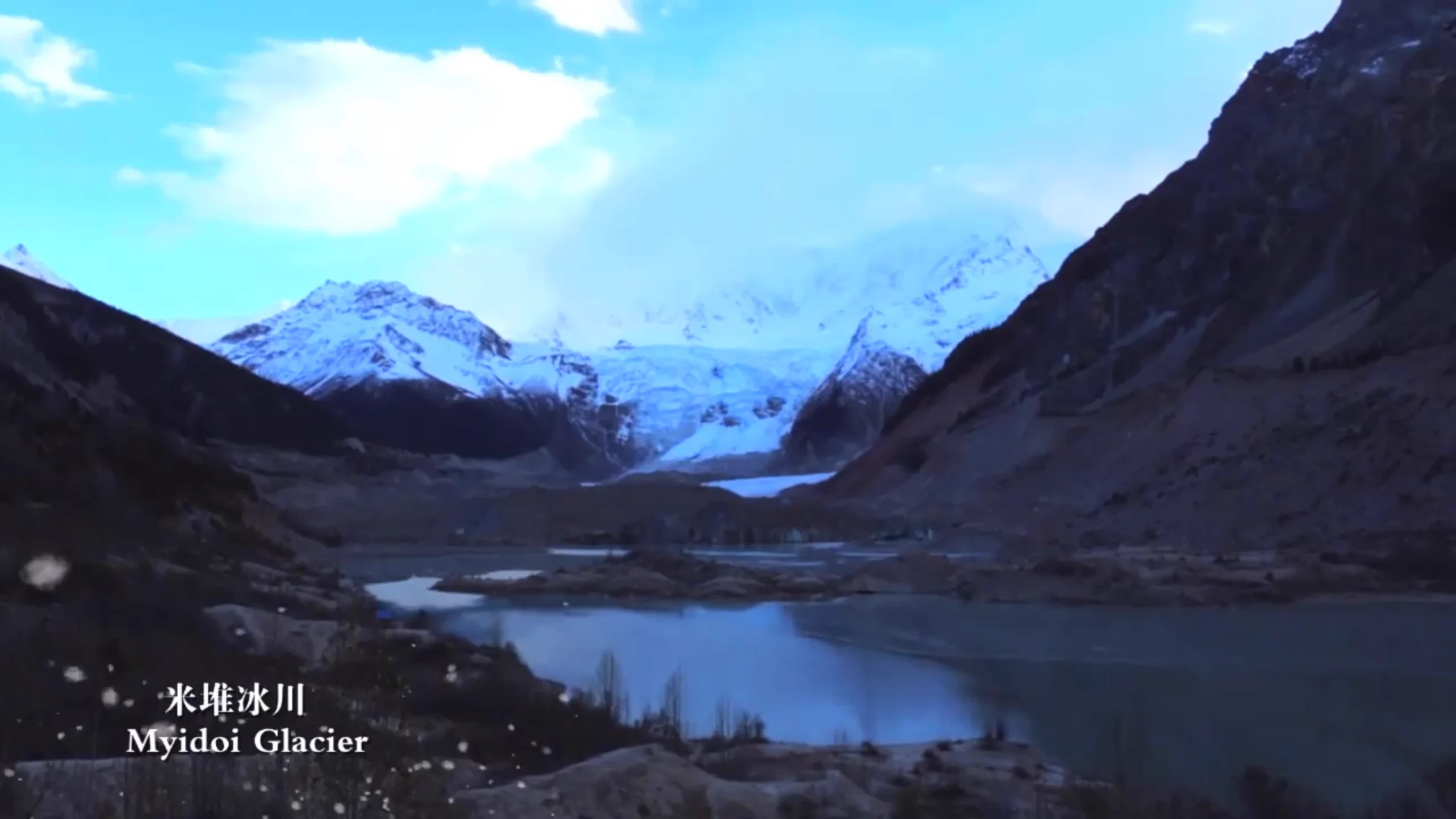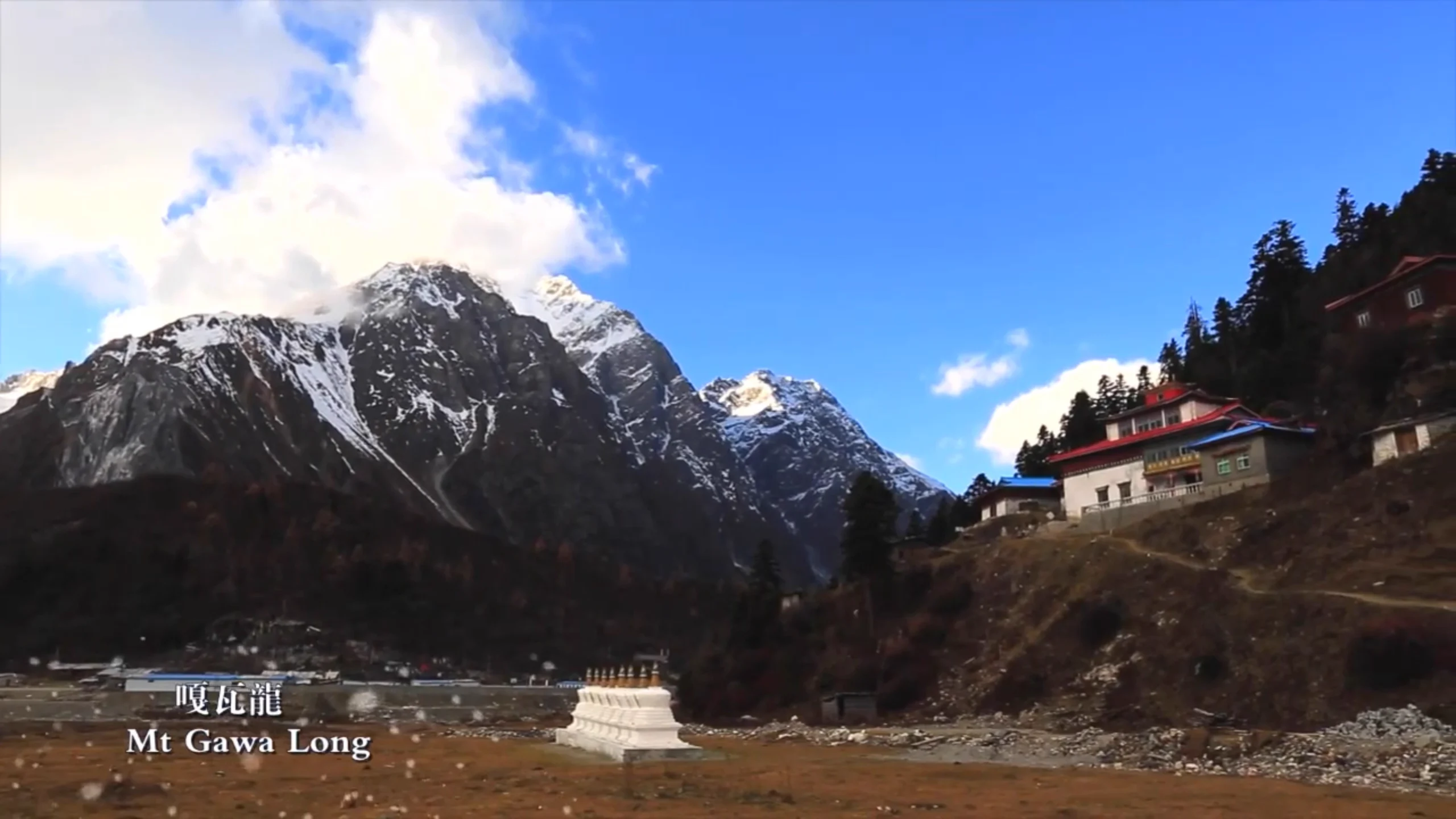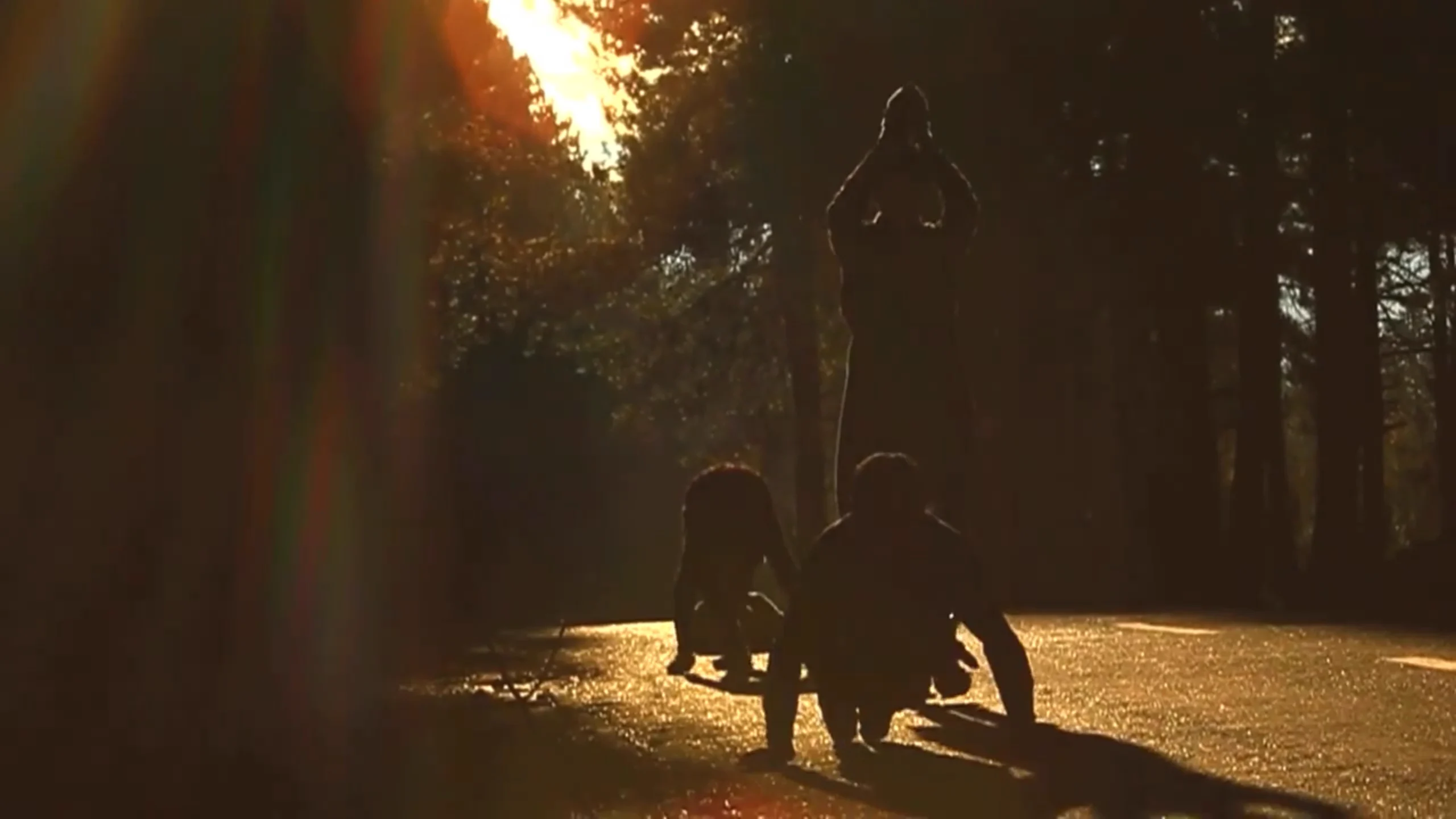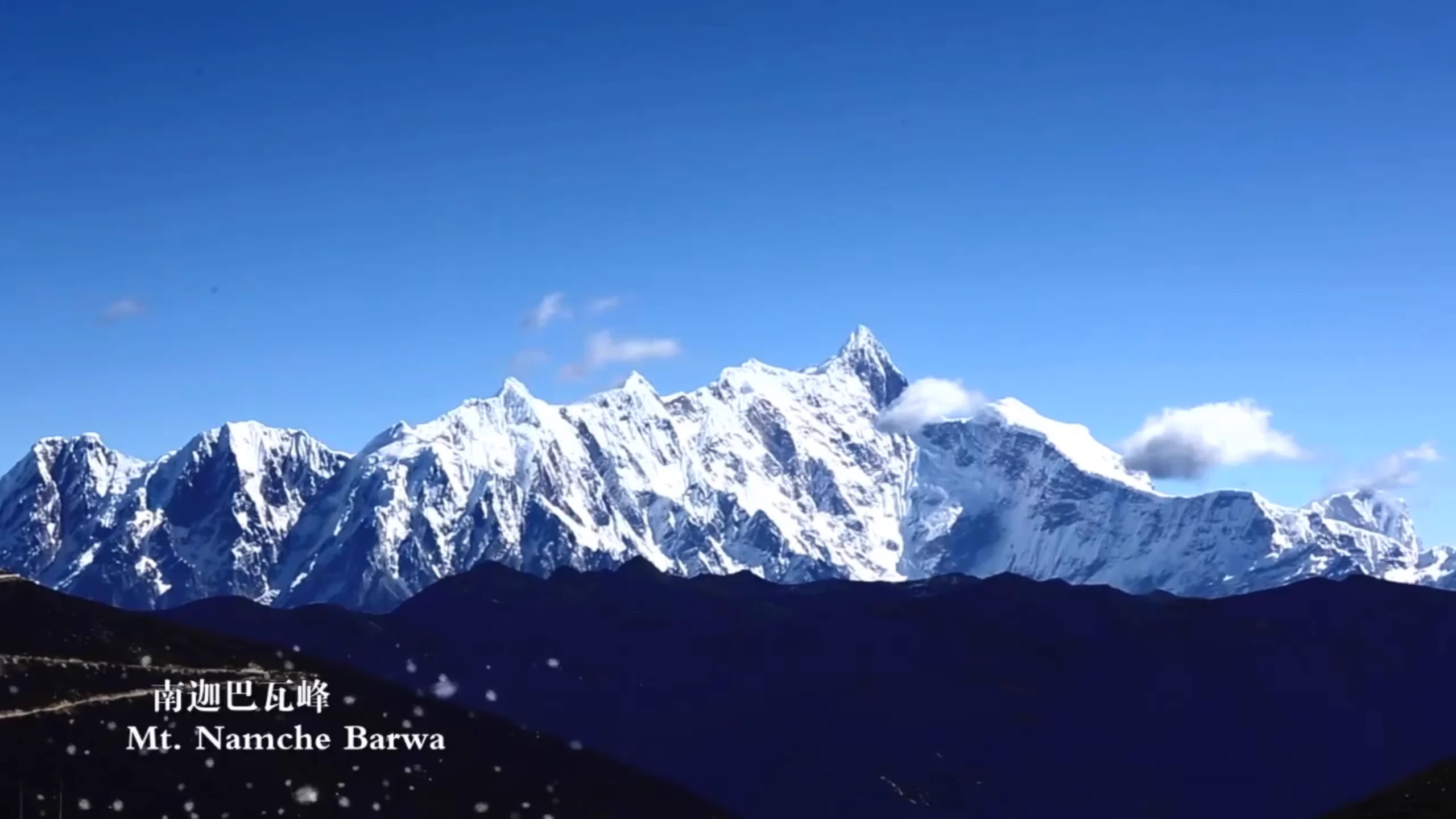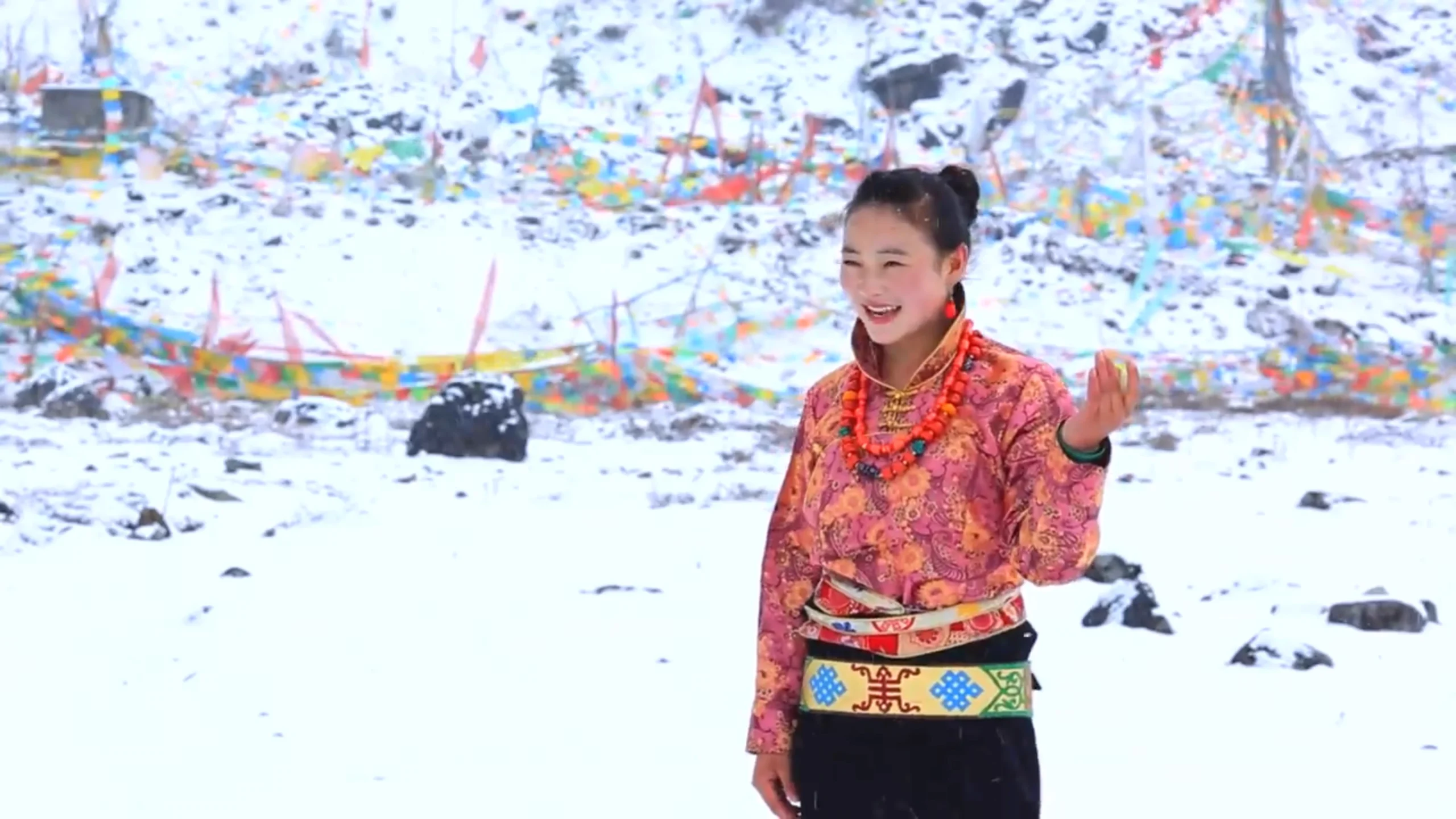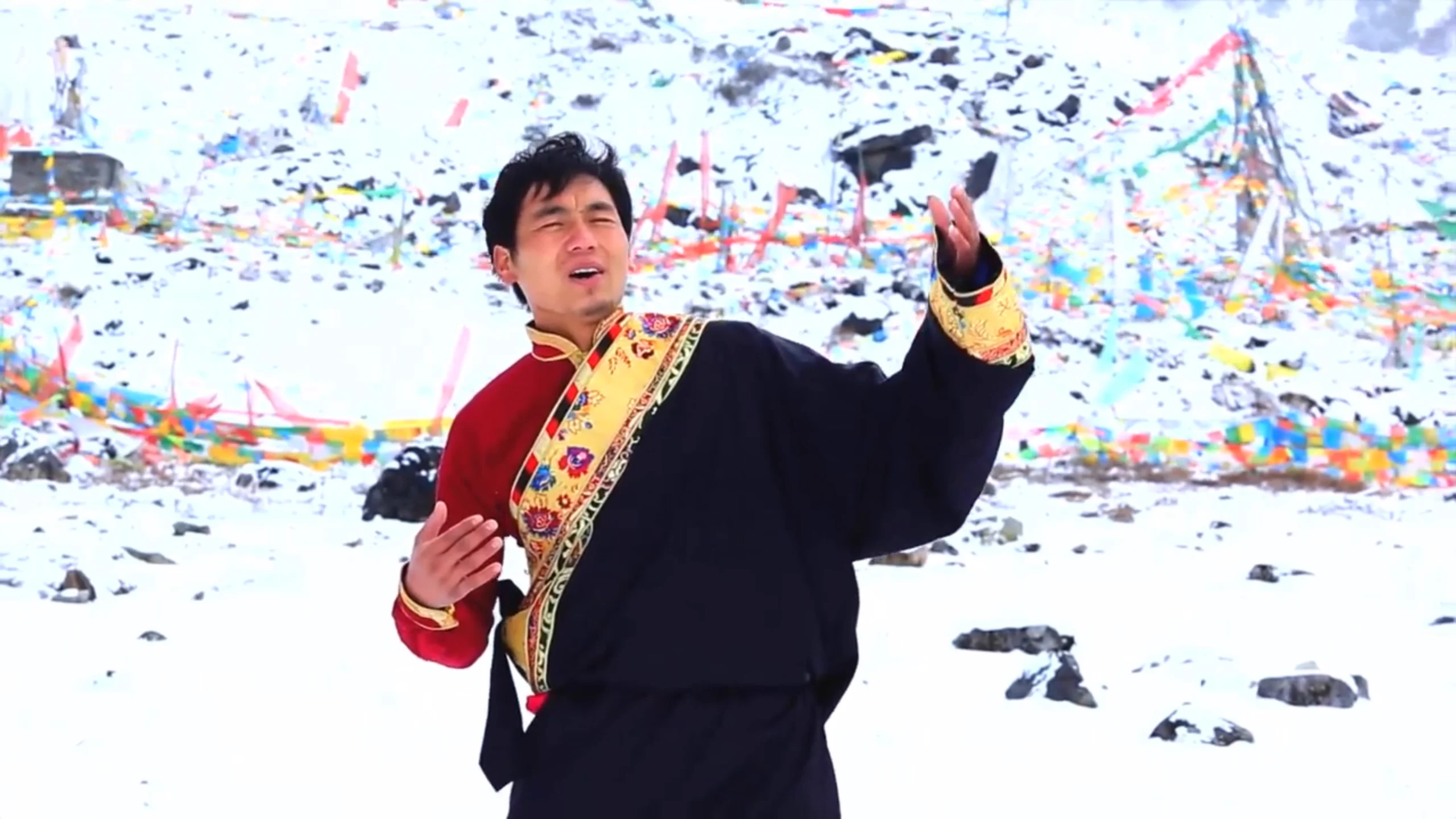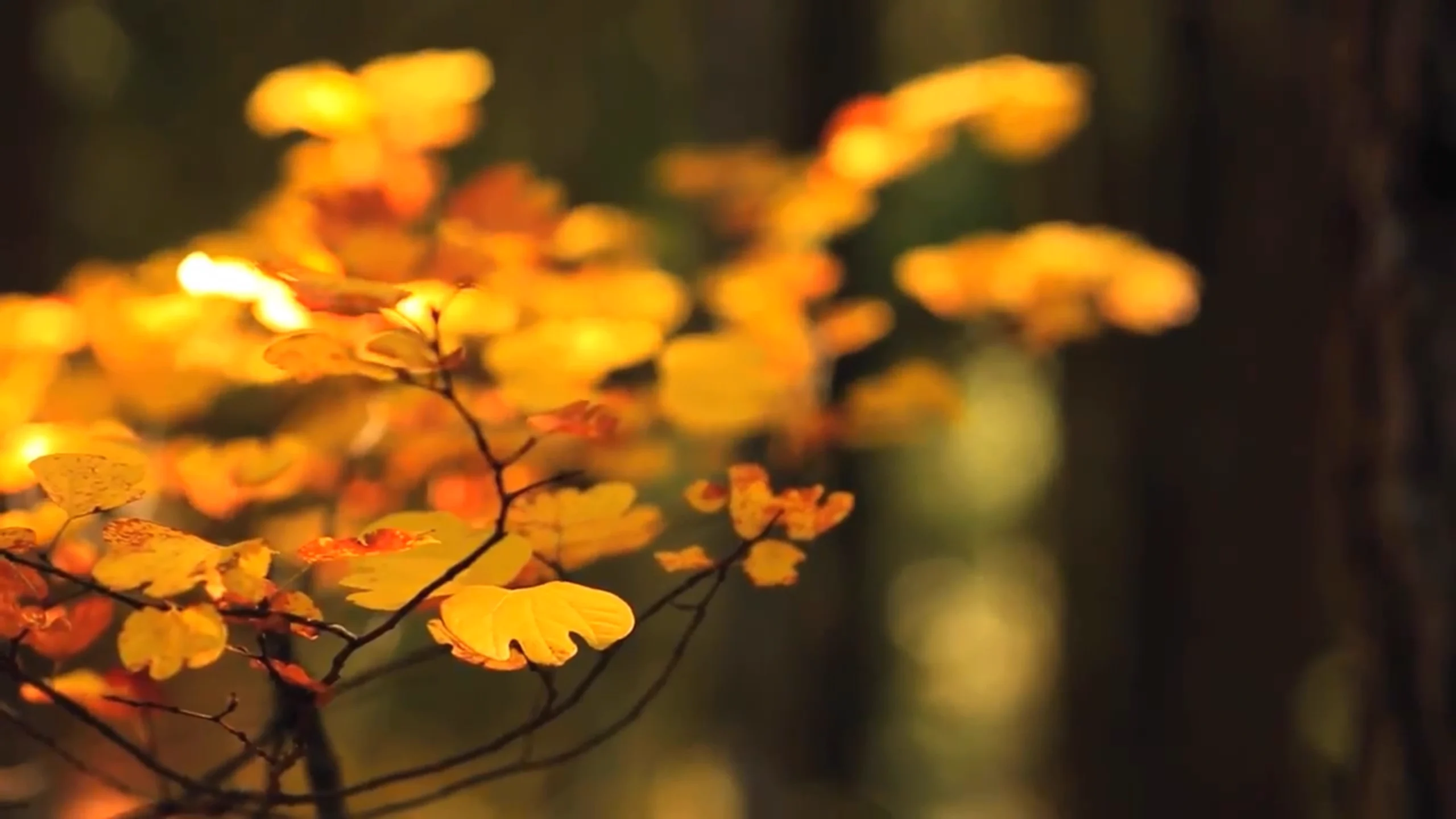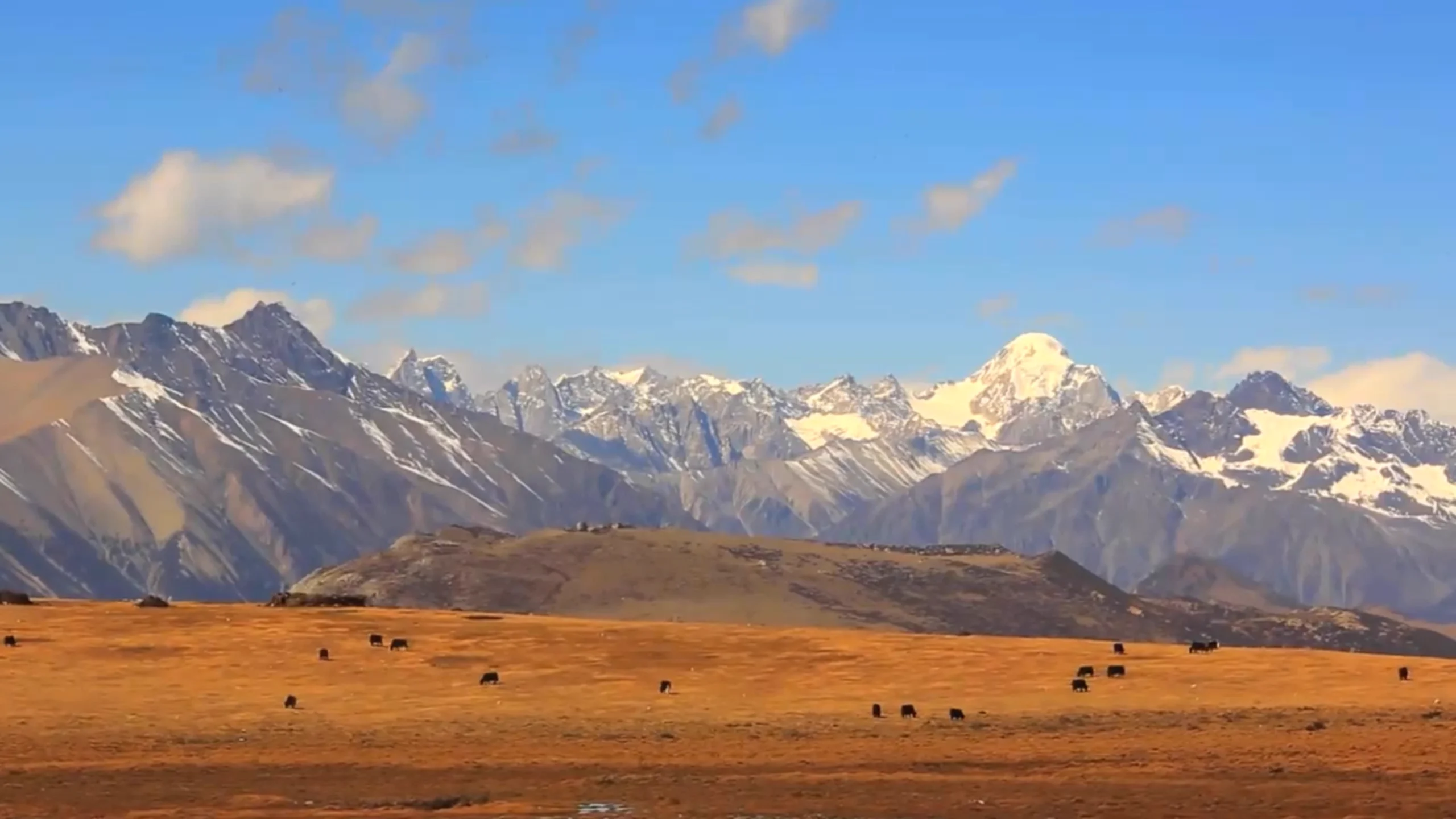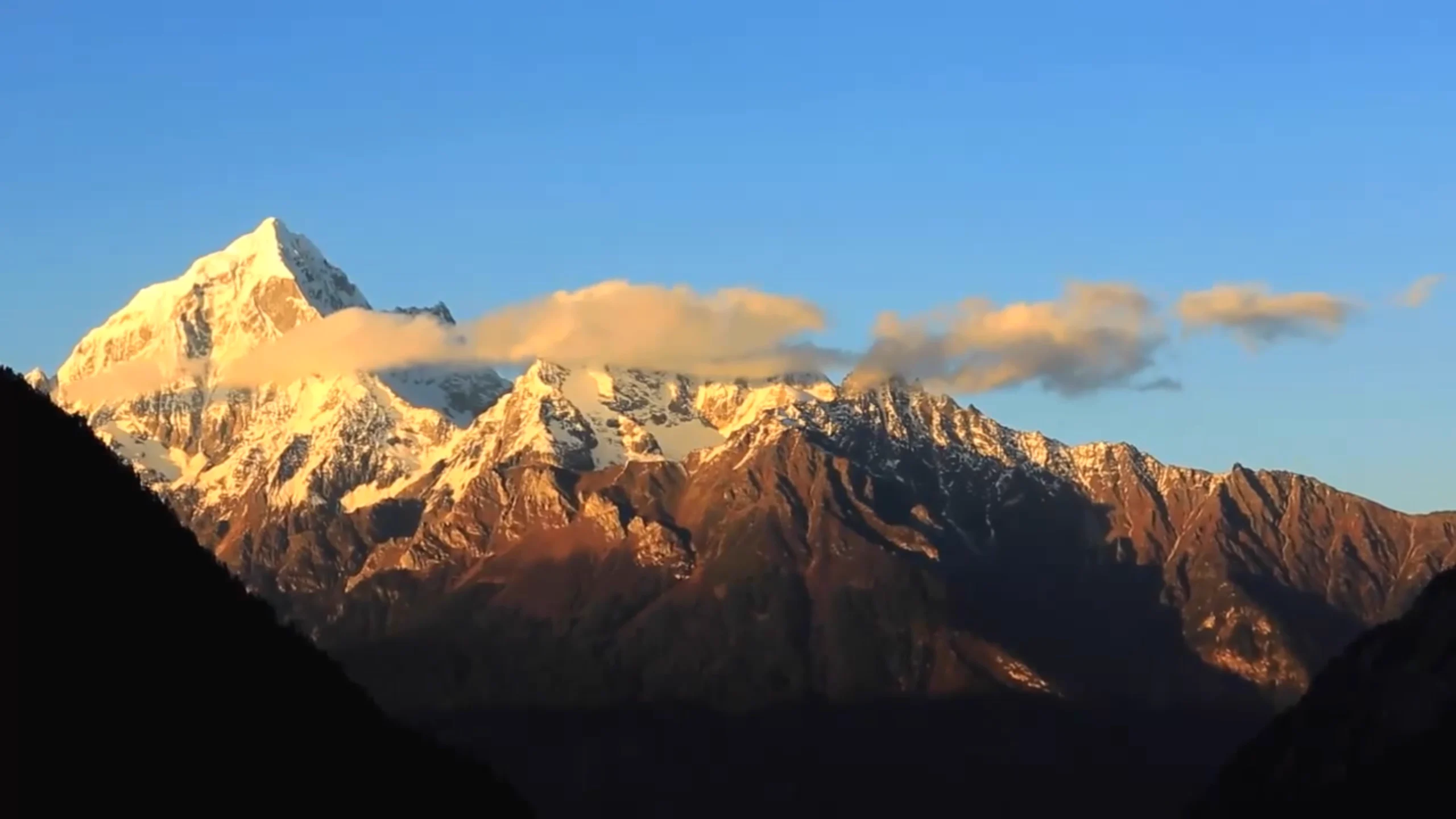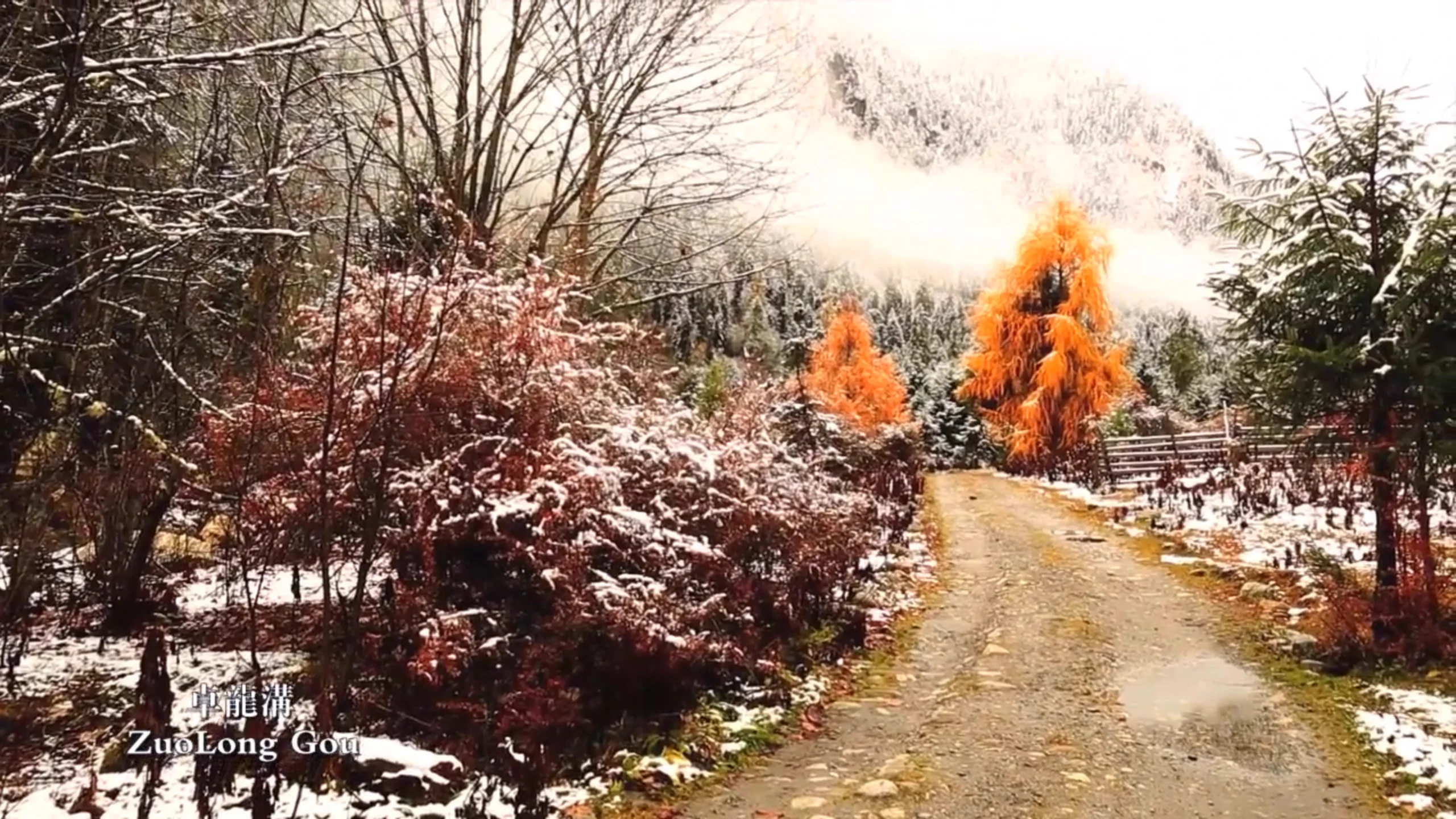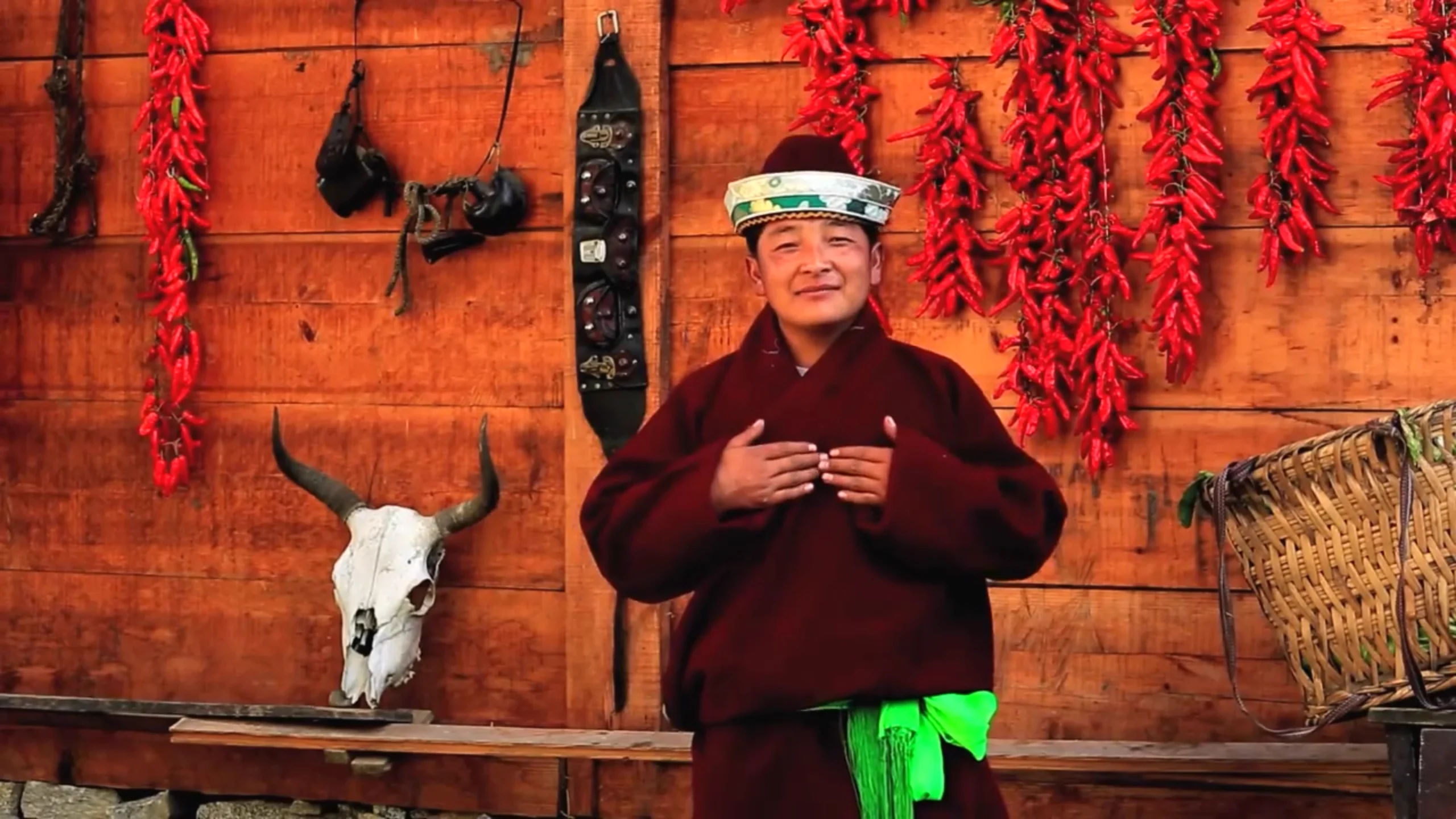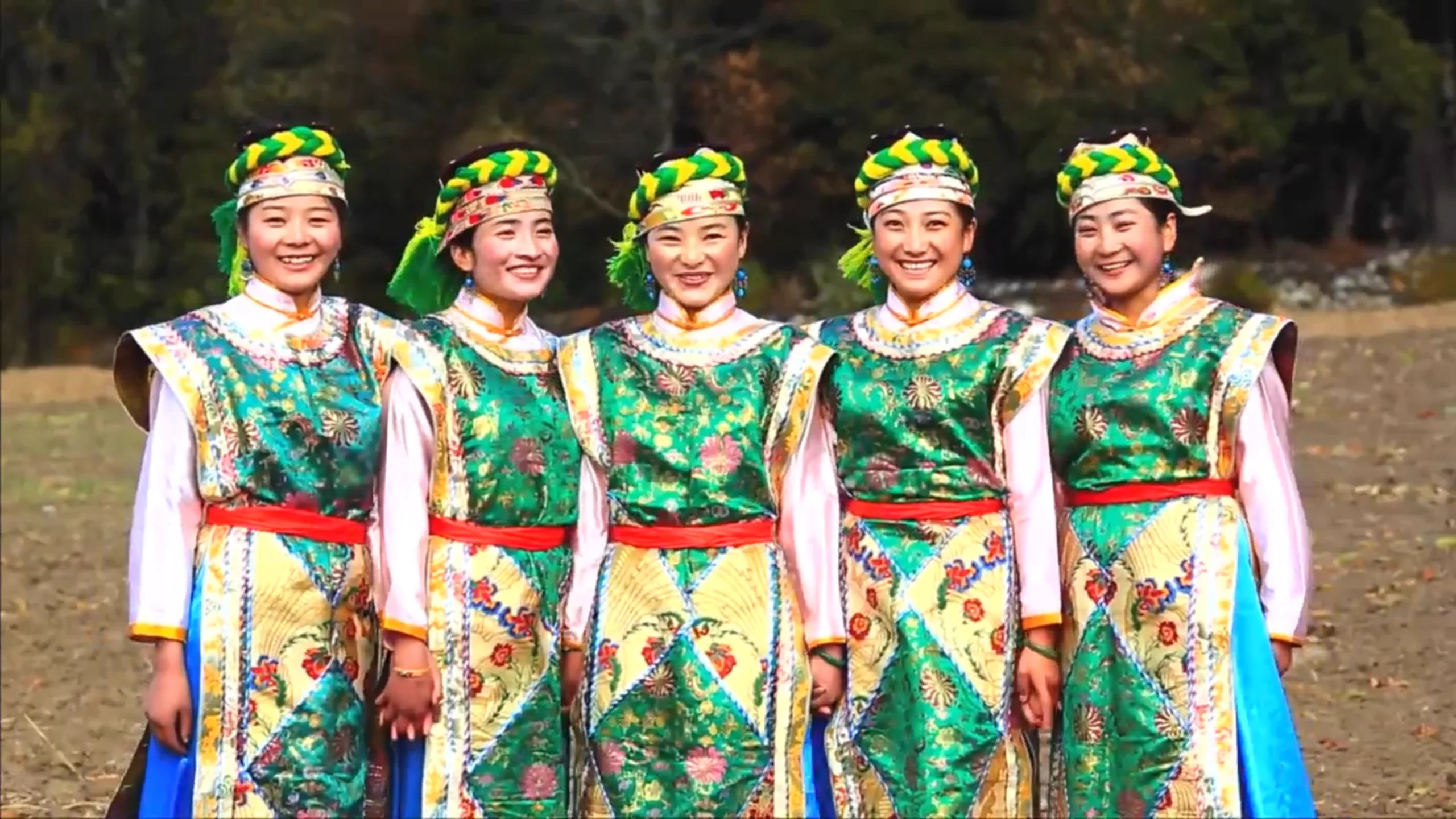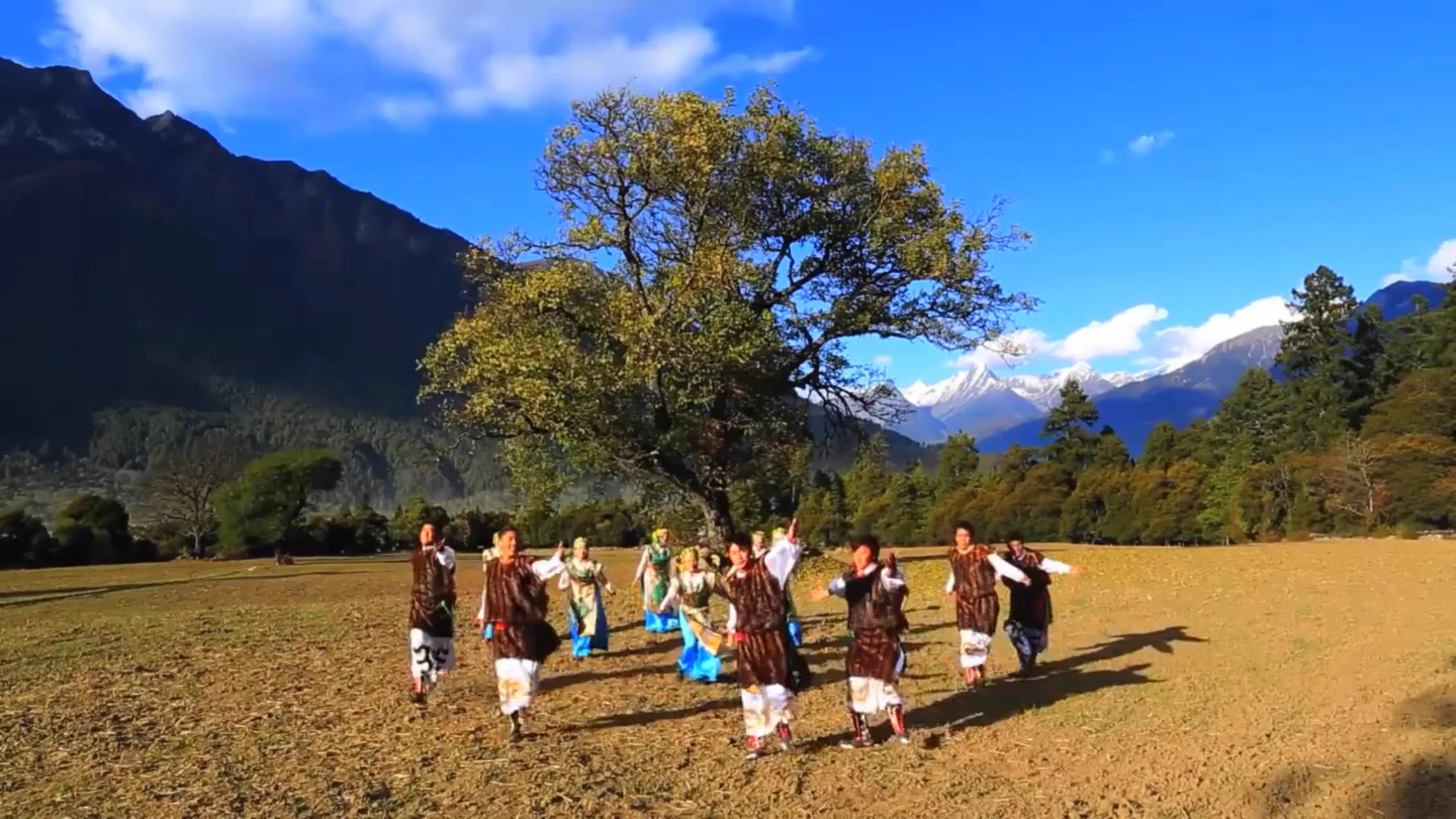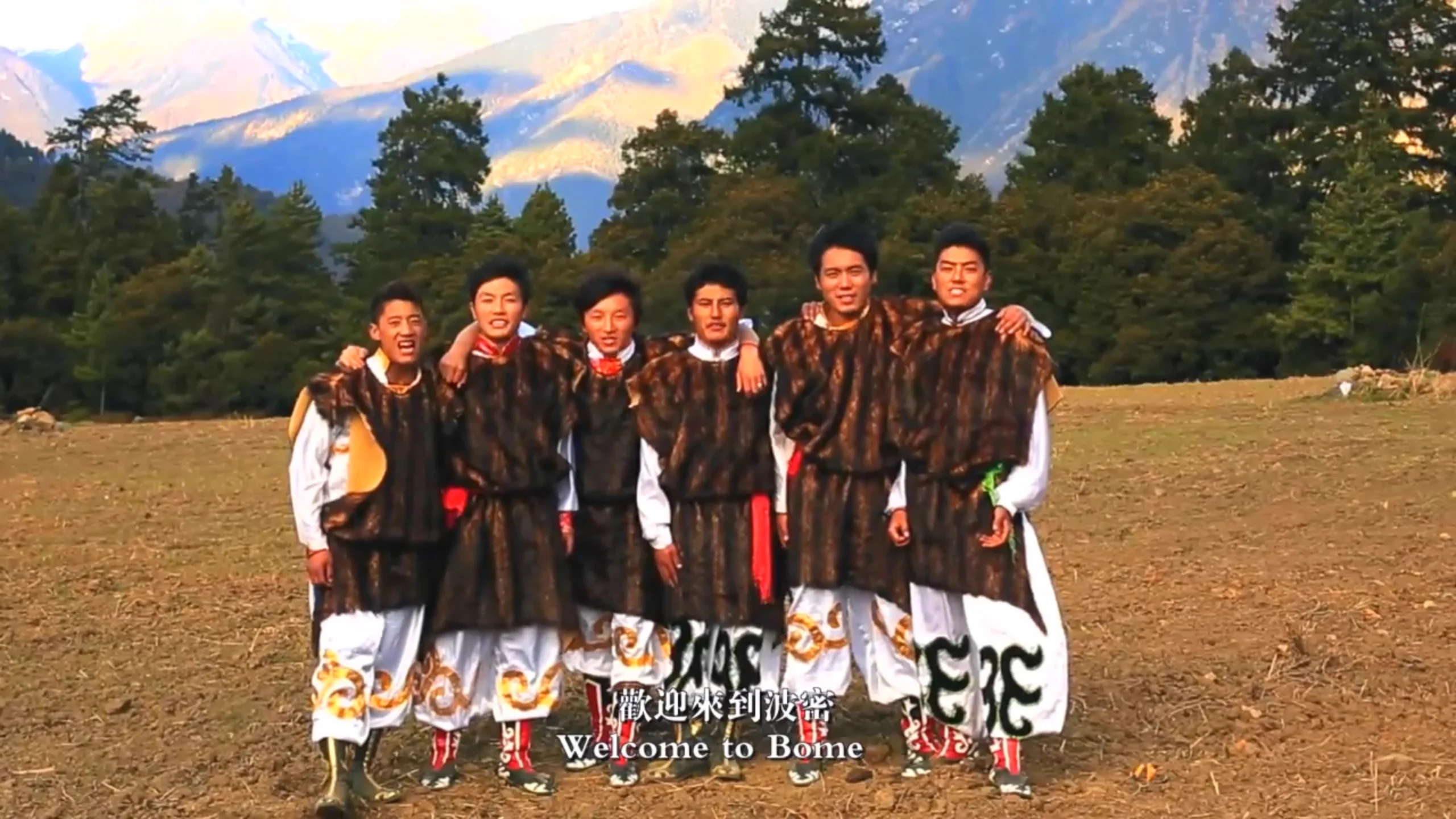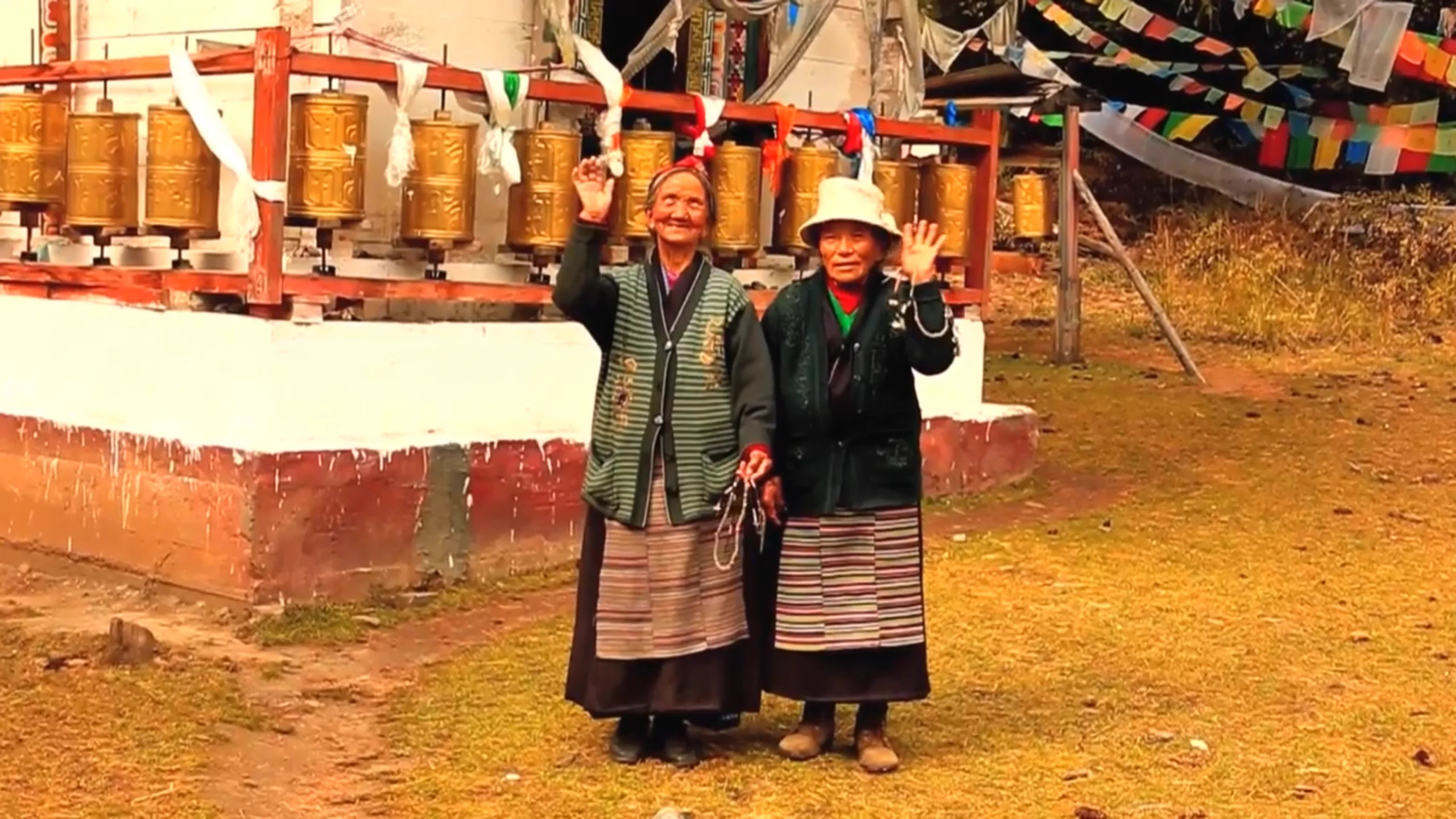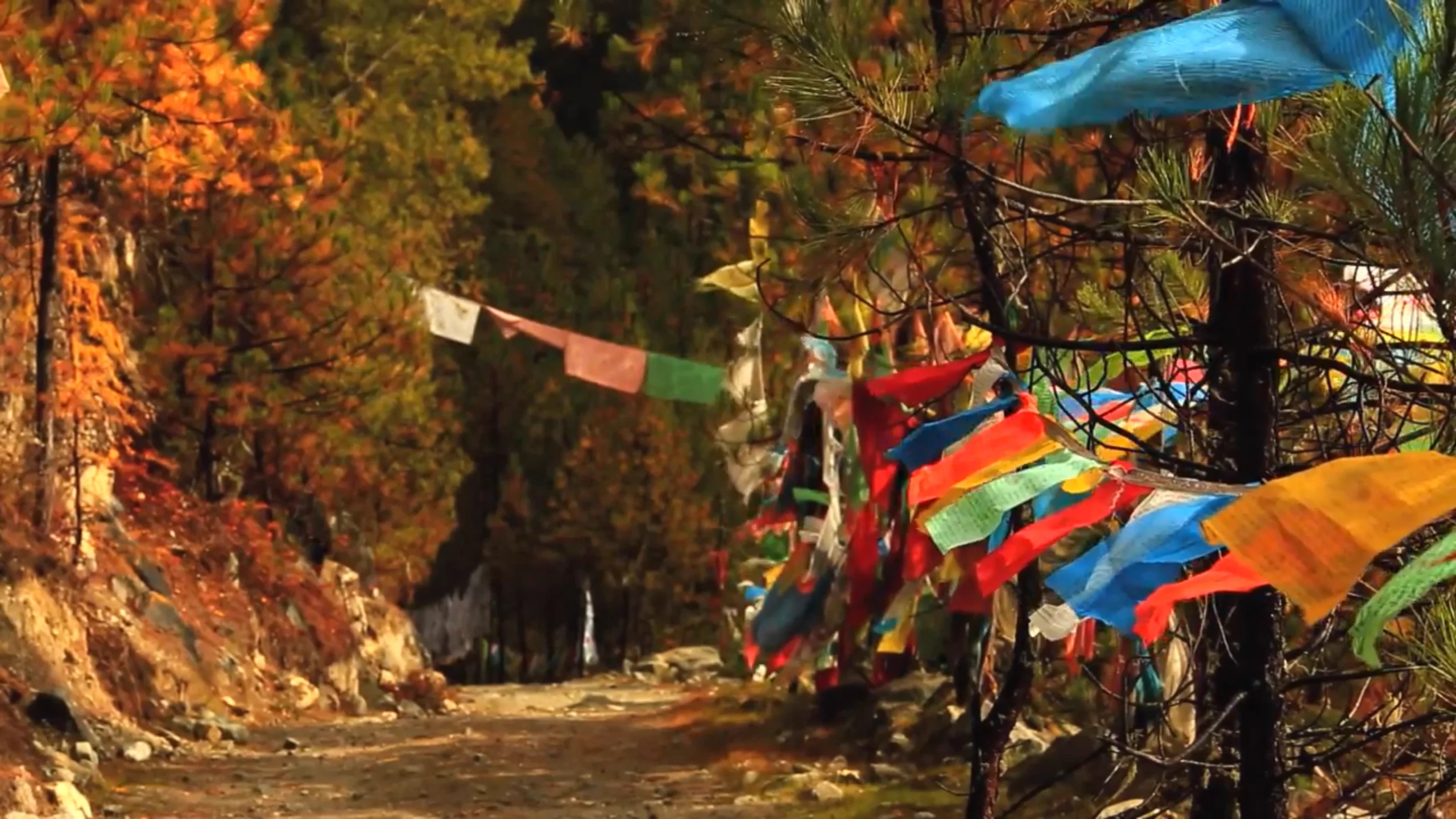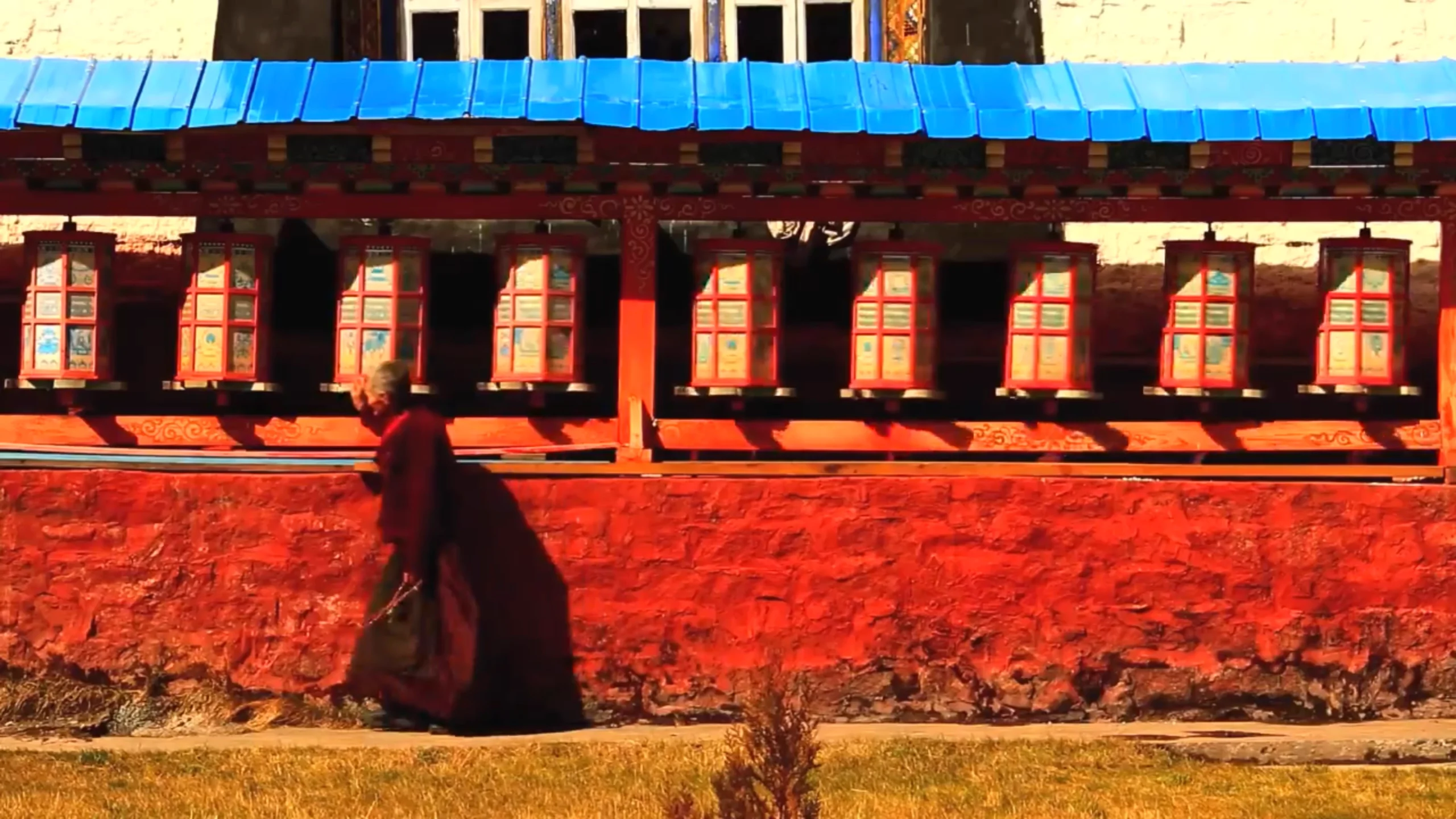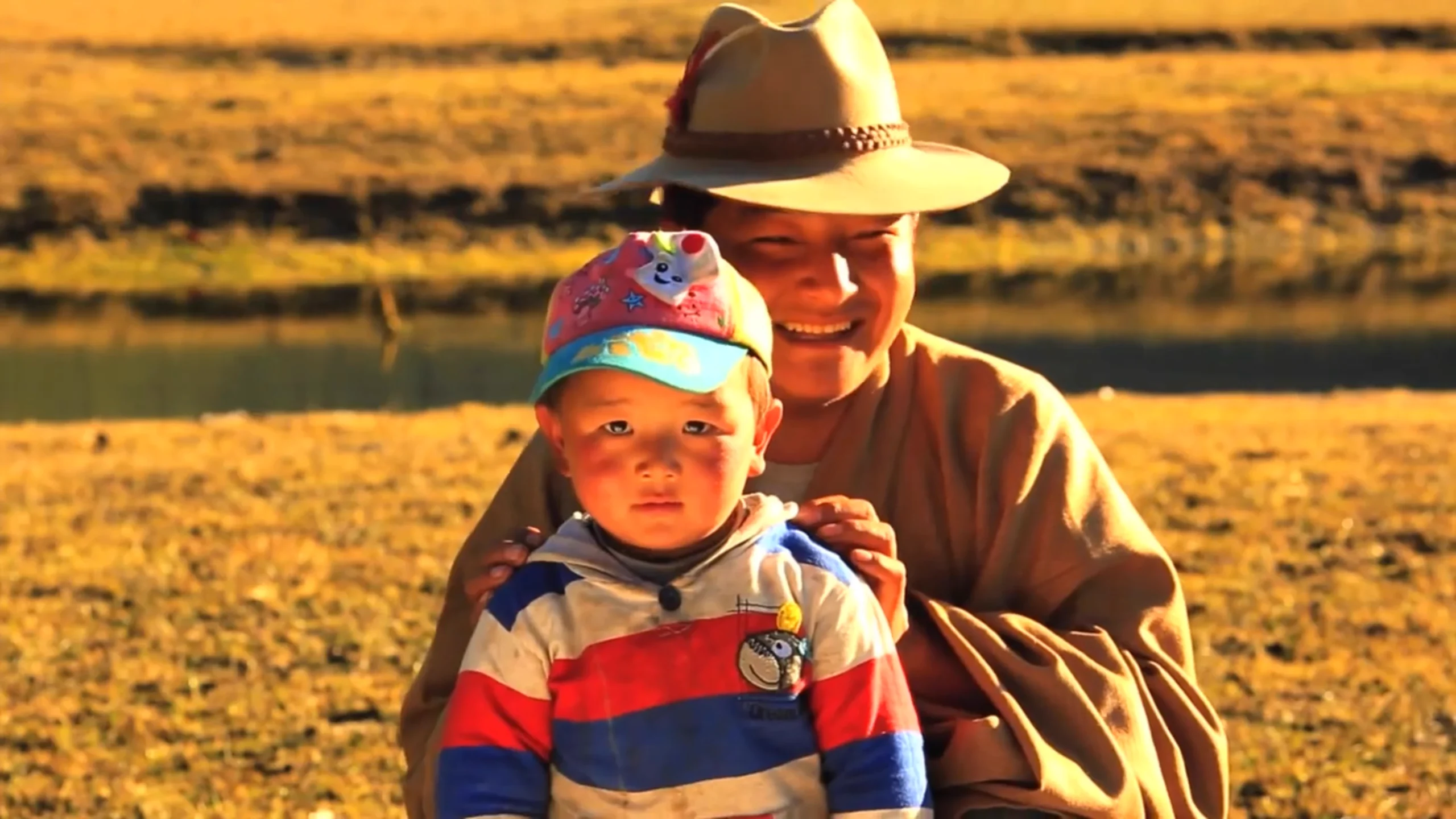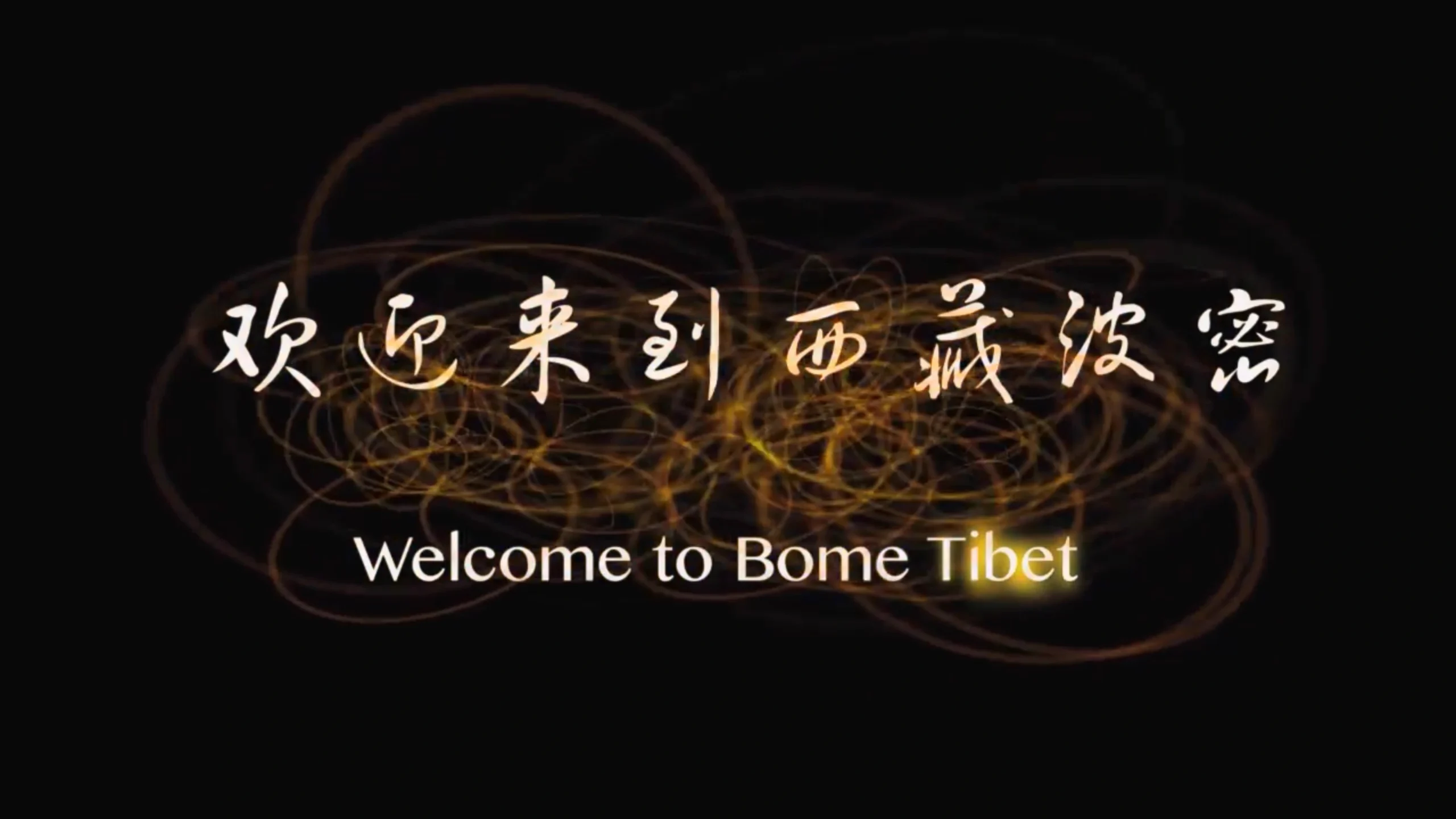

Still from the tourism promotional video A Day in Bomi (2013), natural landscapes and cultural traditions of Bomi, Tibet, China
Bomê (Bomi) County name in Chinese and Tibetan

Project: A Day in Bome – Tourism promotional film (2013)

Client / Institution:
Government of Bomê County (波密县), Tibet Autonomous Region, China

Year: 2013

Overview:
Tourism promotional film produced entirely by Almost Red Productions for the Government of Bomê County, internationally known as Bomi (西藏波密), in the Tibet Autonomous Region, China. The project was conceived as a cinematic audiovisual piece aimed at presenting the natural, cultural and human diversity of this vast region in eastern Tibet, without the use of narration or voice-over.

The film proposes a visual narrative built through images and music, in which landscape, tradition and everyday life are interwoven to offer a sensitive and contemporary vision of Bomê (Bomi) as a cultural and tourist destination.

CINEMATIC TOURISM FILM · BOMÊ (BOMI), TIBET

For the production of the film, the team of Almost Red Productions travelled across the vast territory of Bomê County (波密县), documenting the diversity of landscapes and environments that define this region in eastern Tibet. The shoot covered natural and cultural locations of great relevance, from glaciers and high mountain forests to alpine areas dominated by snow-covered peaks at high altitude.

Among the filmed locations are the Midui Glacier, one of the most emblematic in the region, the forests of Gangyun, as well as mountainous areas around Mount Gawa Long and Mount Namche Barwa, one of the most prominent peaks of the eastern Himalayas. The journey also included river areas such as ZuoLong Guo, essential to the natural and cultural life of the territory.

In these environments, different cultural expressions were recorded, including a traditional dance performance filmed in an open natural setting, as well as several Tibetan folk singing performances captured in the mountains during active snowfall. The combination of extreme landscape, climate and tradition resulted in images of strong visual impact and remarkable beauty, reinforcing the sensory and cinematic character of the film.