
Macau University – State Key Laboratory of Chinese Medicine

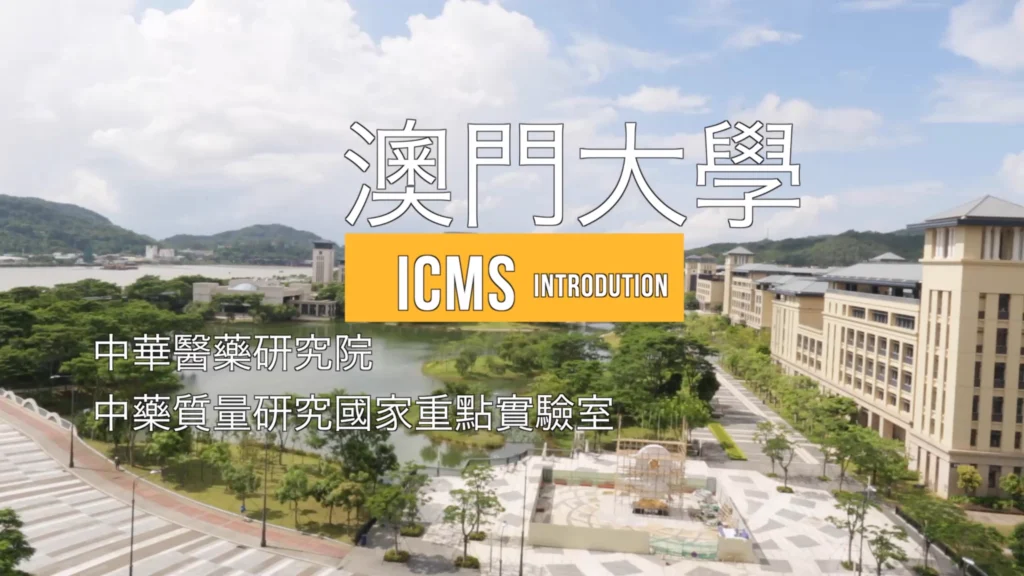
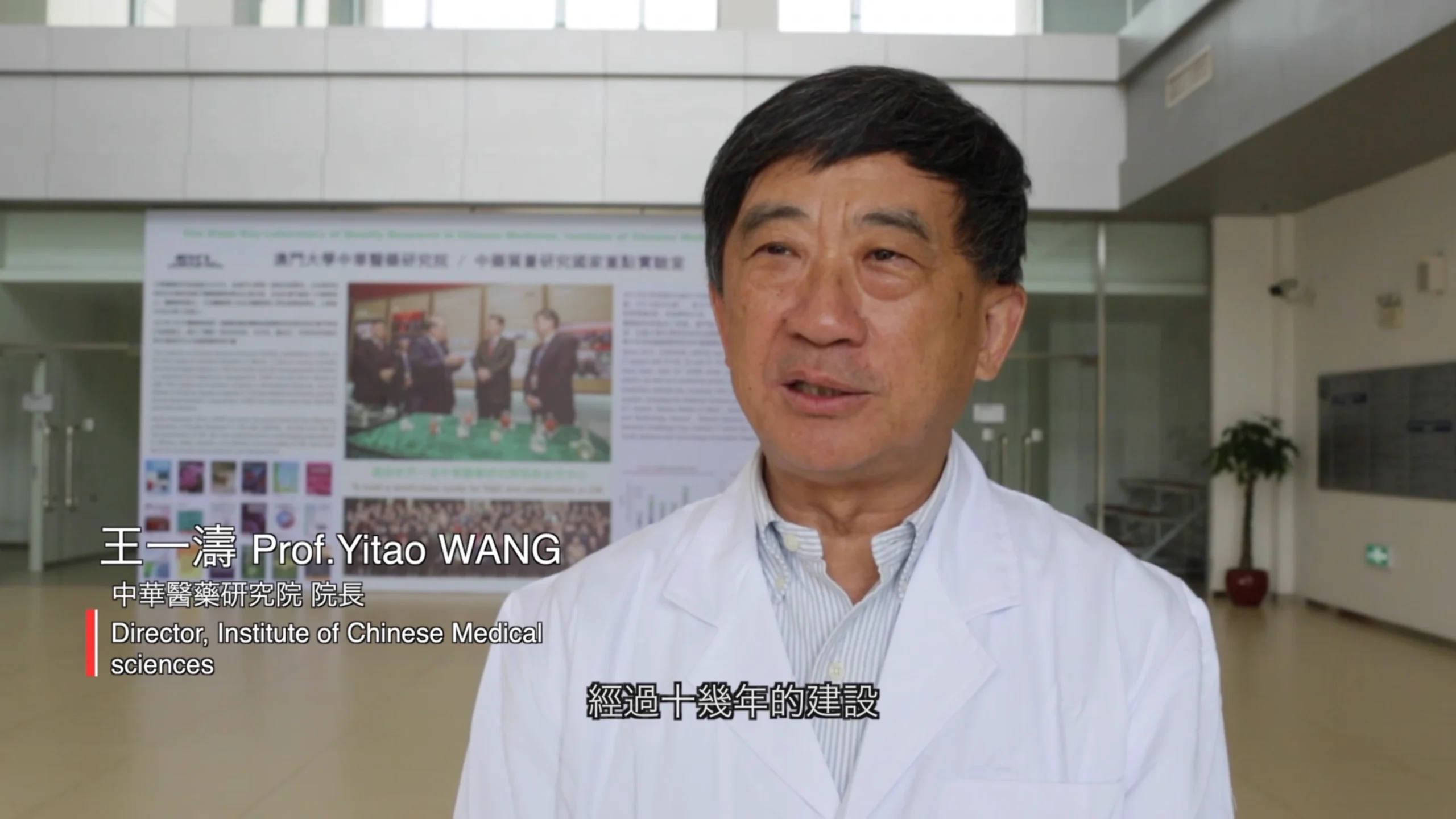
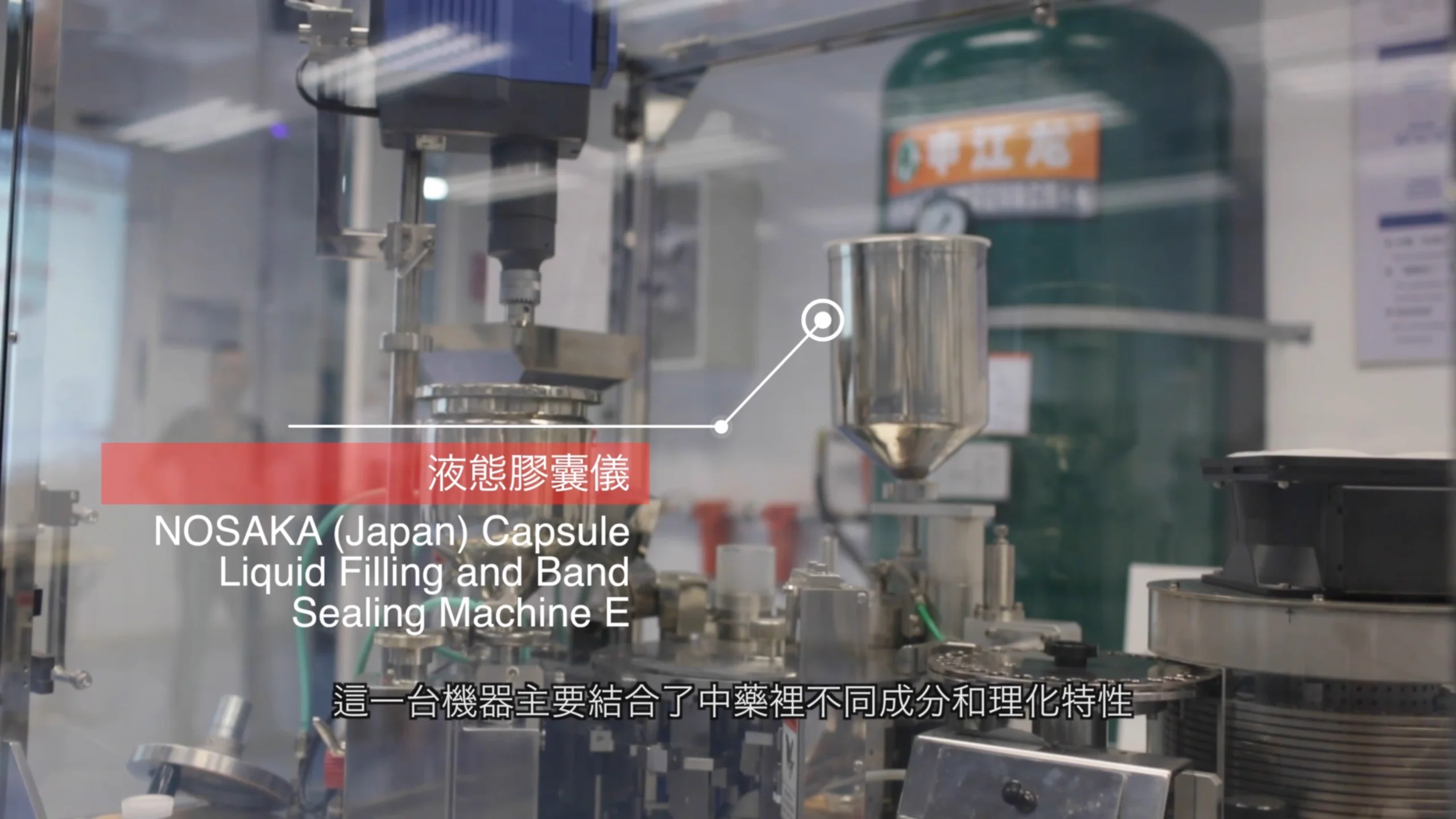
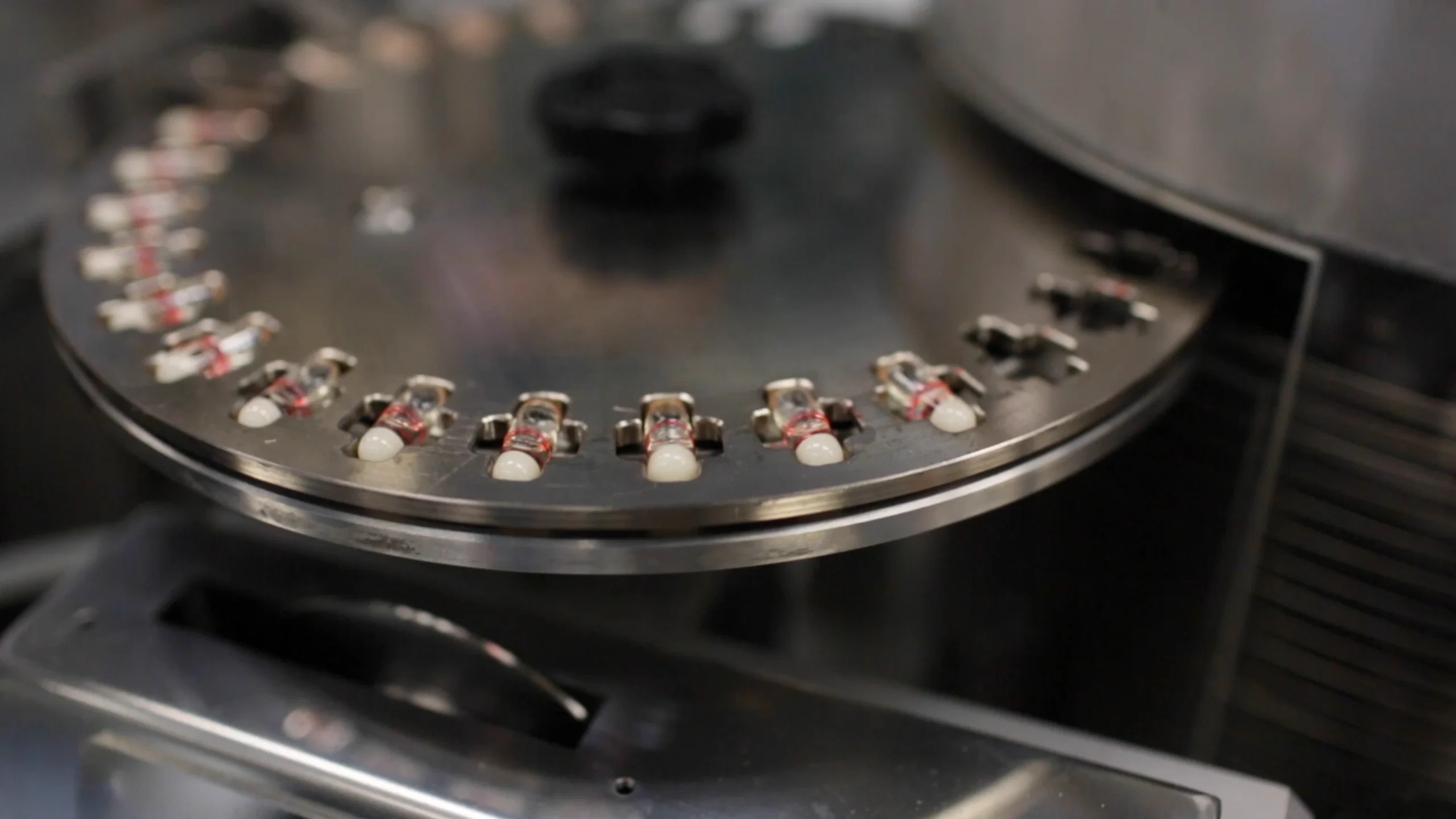
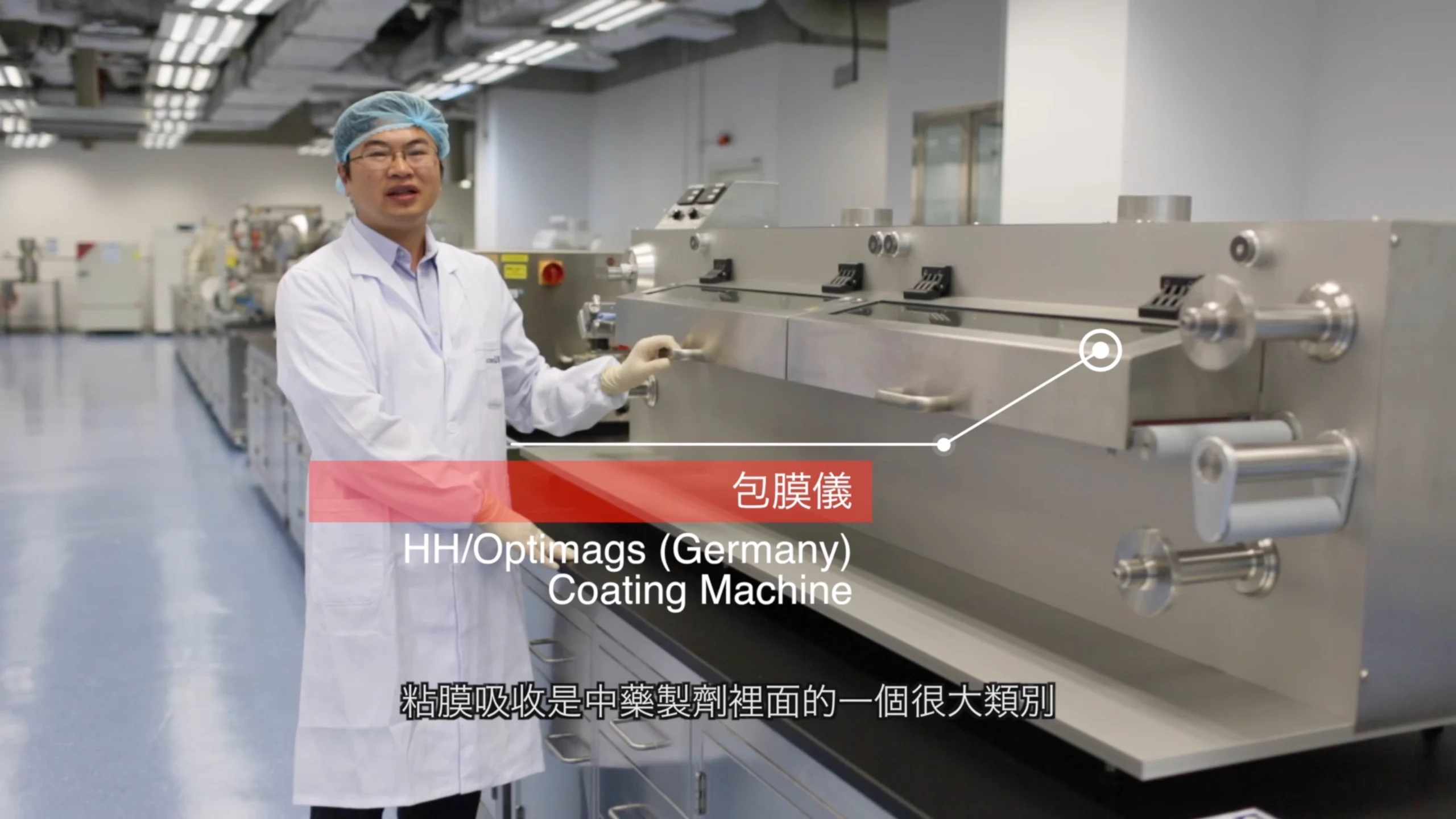
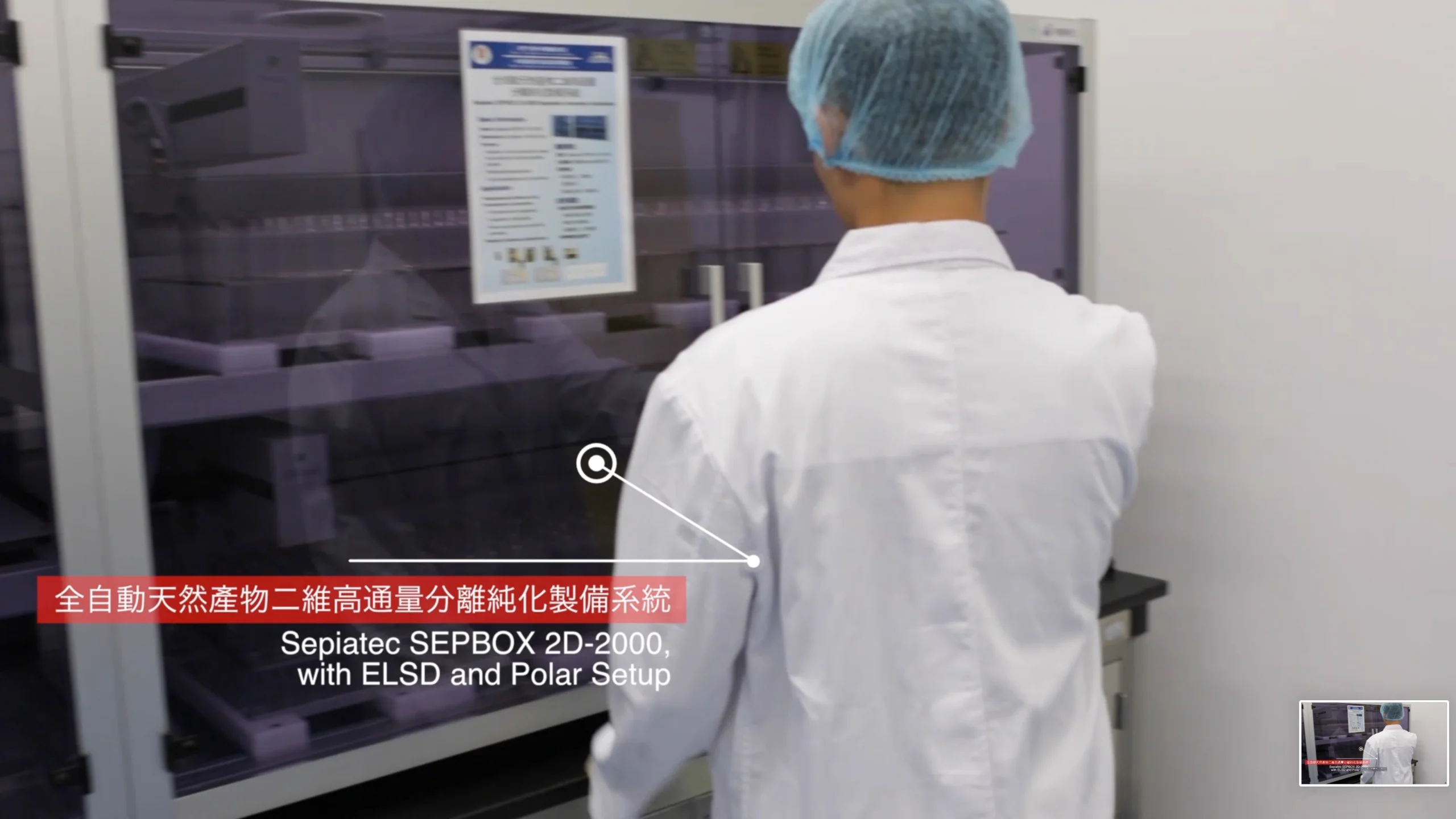
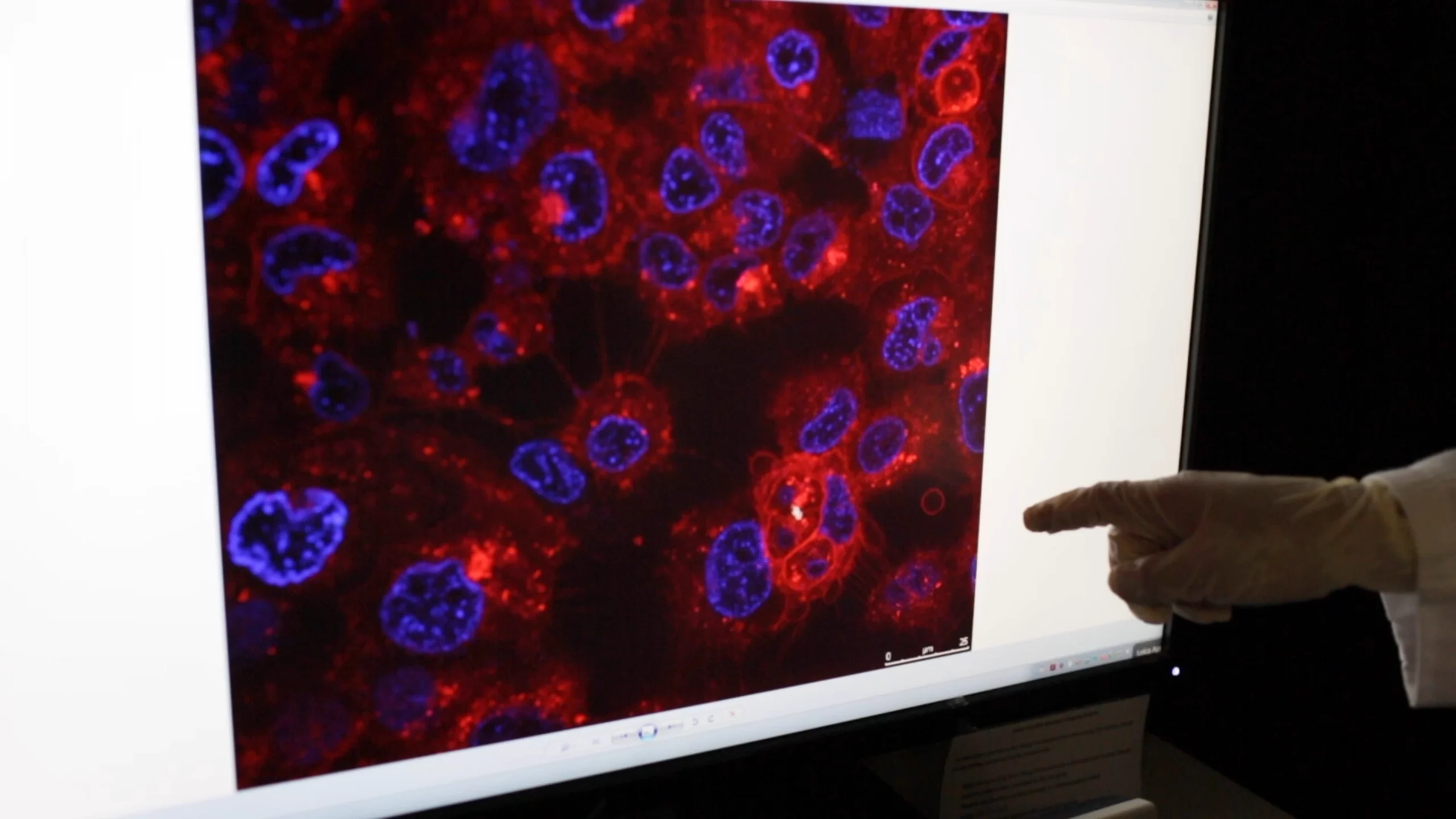
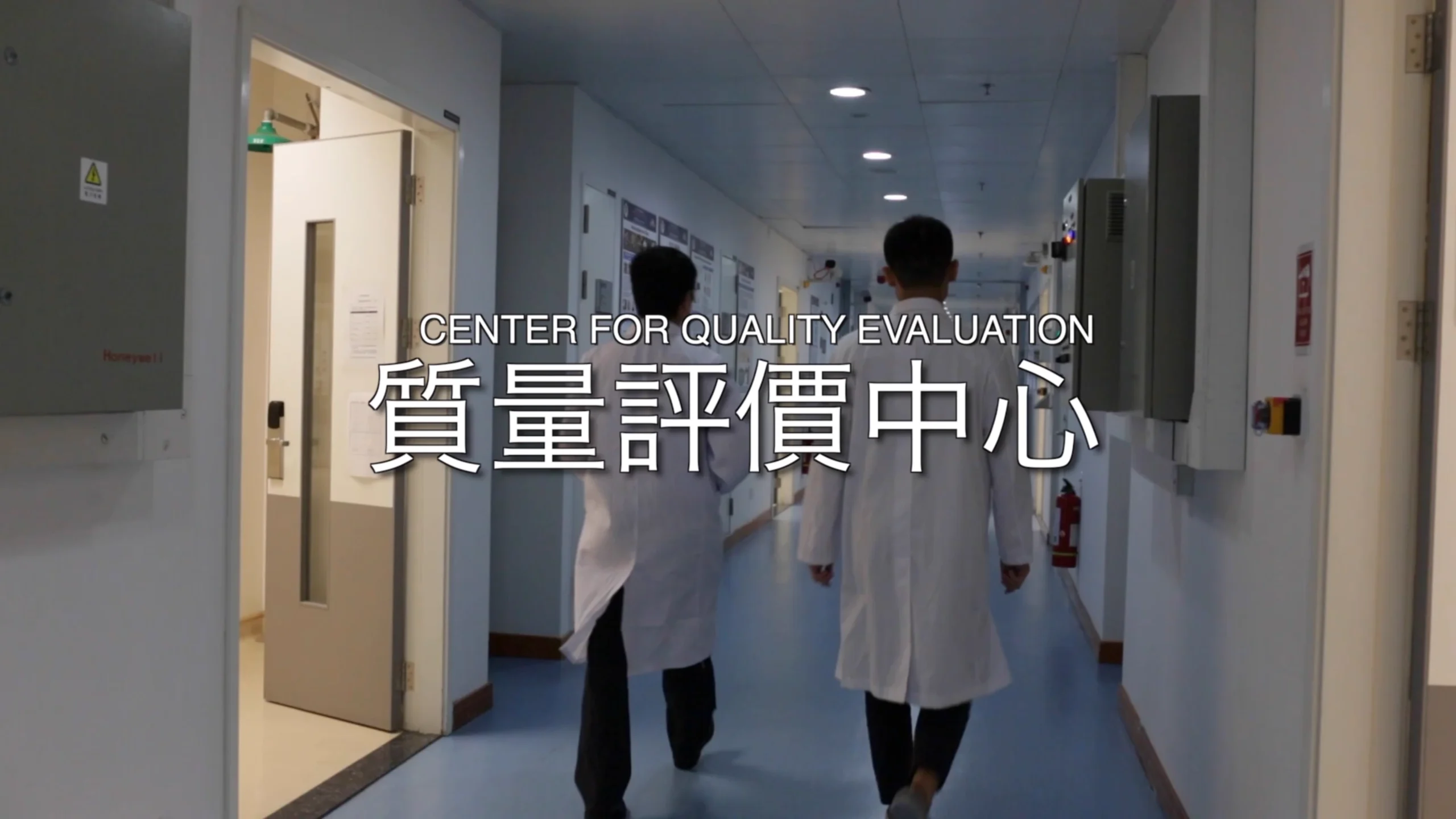
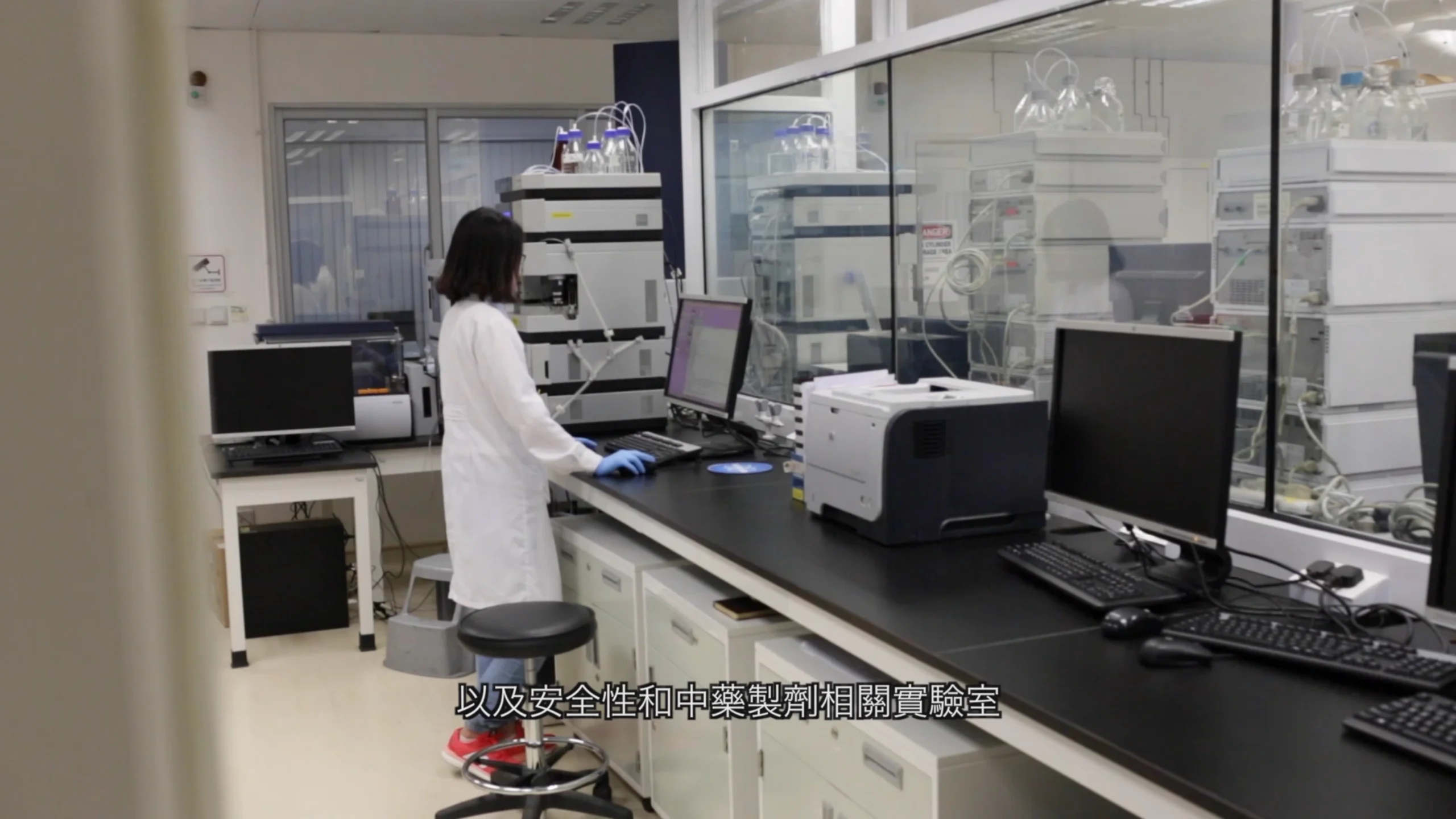
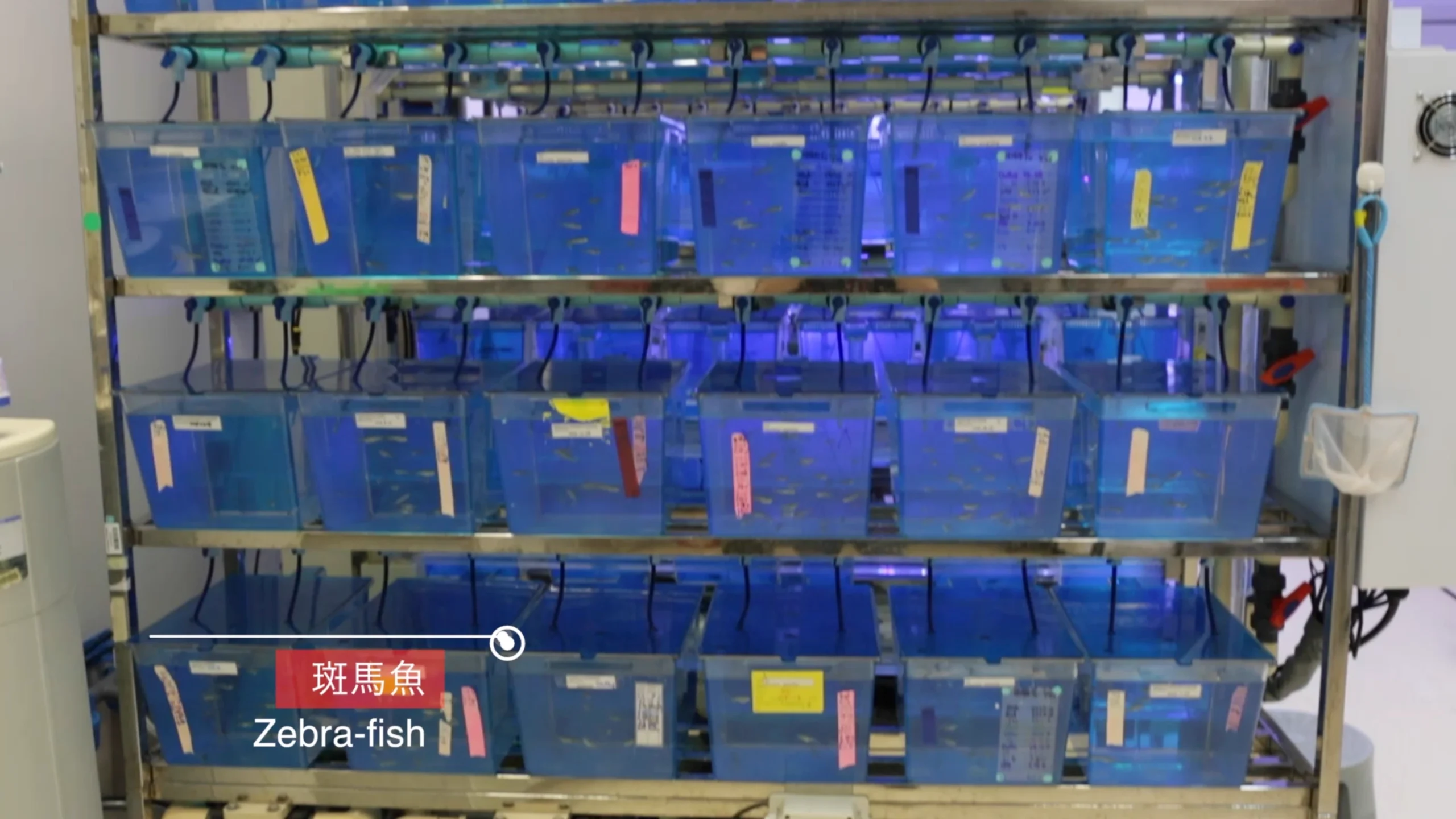
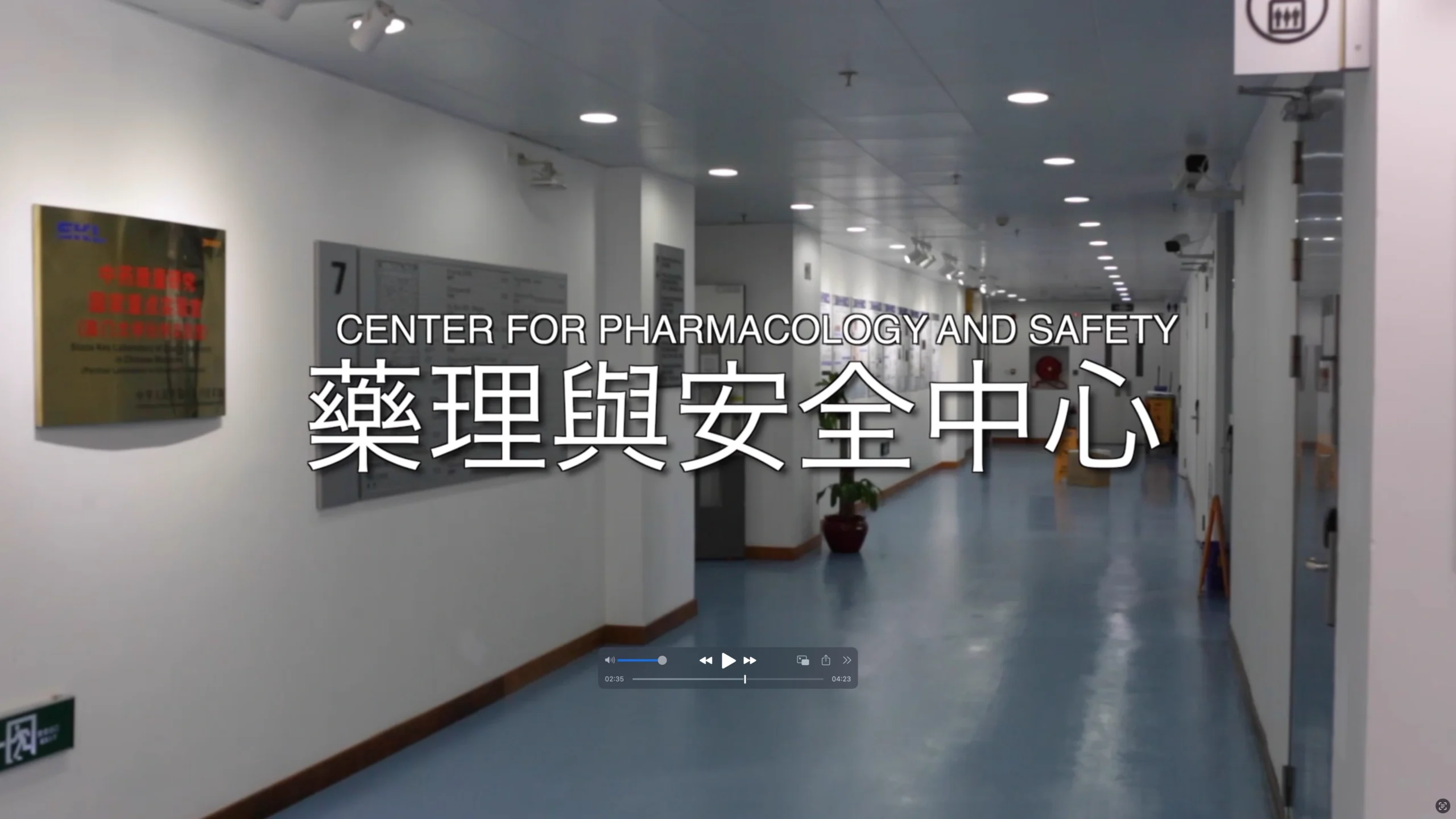
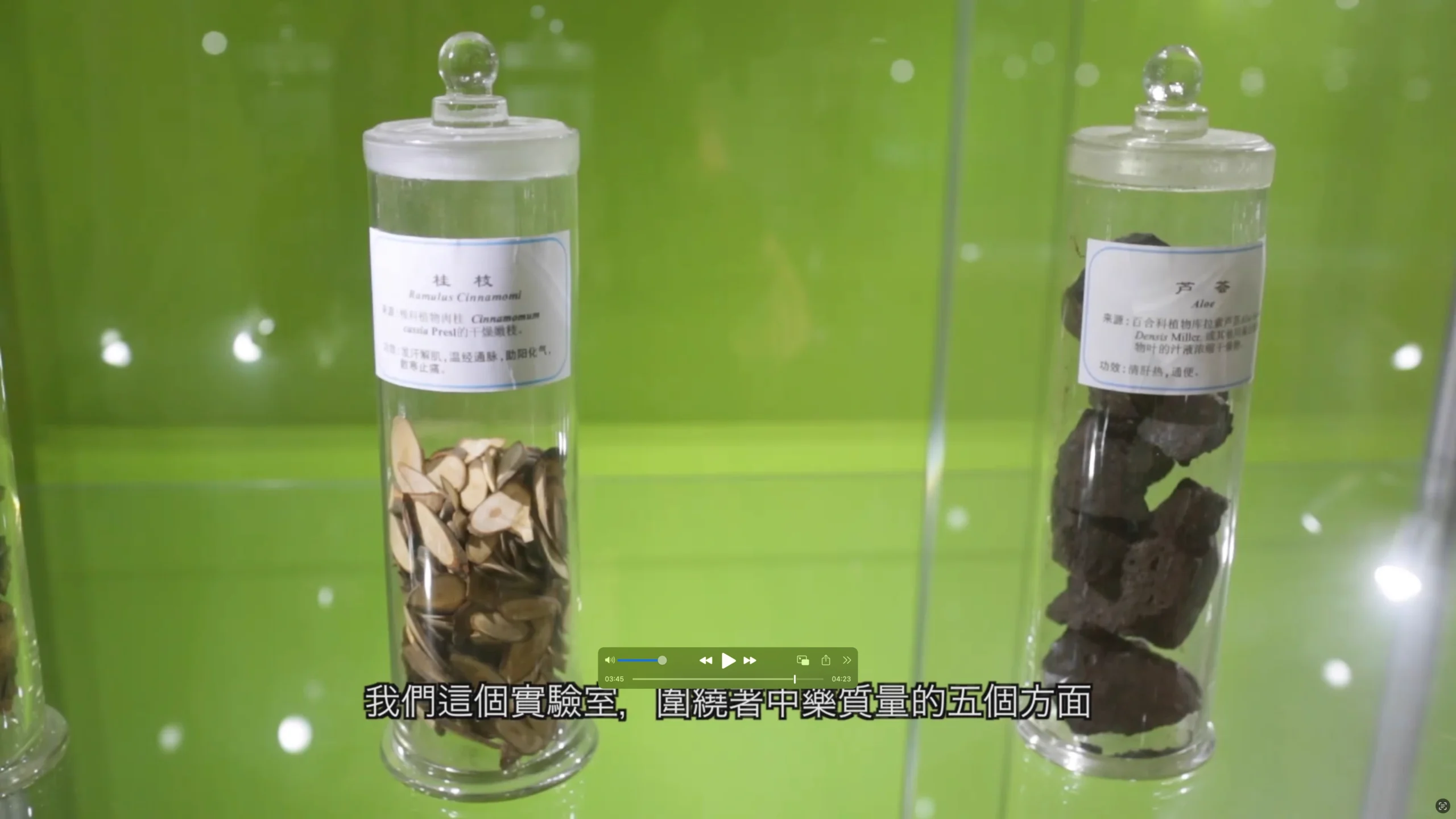
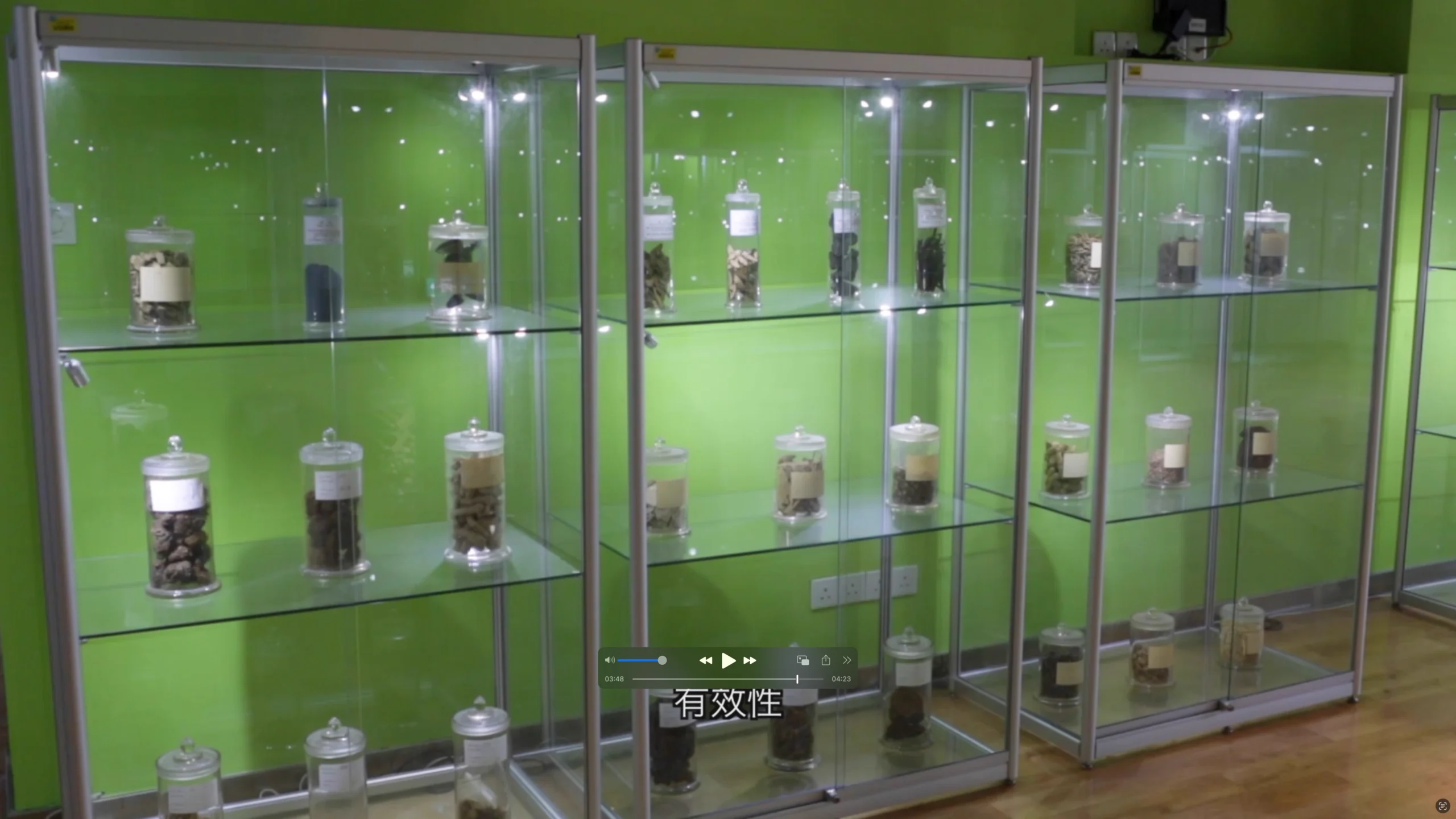
Still from the video presentation of the State Key Laboratory of Mechanism and Quality of Chinese Medicine at the University of Macau (2014), featuring Professor Yitao Wang, researchers and laboratory facilities
University of Macau logo, Macao, China
ICMS – State Key Laboratory of Mechanism and Quality of Chinese Medicine (中藥機制與質量全國重點實驗室) at the University of Macau

Project: Macau University – State Key Laboratory of Chinese Medicine – Institutional Video (2014)

Client / Institution: University of Macau – State Key Laboratory of Mechanism and Quality of Chinese Medicine (中藥機制與質量全國重點實驗室), Macao, China

Year: 2014

Overview: Institutional video produced by Almost Red Productions for the State Key Laboratory of Chinese Medicine at the University of Macau, one of the leading research centres in the field of traditional Chinese medicine at an international level.

The piece presents the scientific activity of the laboratory, its research structure and the impact of its work on the development and standardisation of Chinese medicine, combining interviews with key researchers and visual documentation of its facilities and working environments.

SCIENTIFIC RESEARCH AND AUDIOVISUAL COMMUNICATION

The video offers an inside view of one of the most important research centres dedicated to traditional Chinese medicine, focusing on its scientific processes, laboratory practices and the organisation of its research teams. Through interviews with the director of the laboratory, Professor Yitao Wang, and other key scientists, the piece provides insight into the methodologies and objectives guiding their work.

The audiovisual approach combines observational footage of laboratory activity with structured interviews, creating a narrative that translates complex scientific concepts into an accessible format for a broader audience while maintaining an accurate and rigorous tone.

By presenting both the human and technical dimensions of the research environment, the video contributes to a clearer understanding of how traditional Chinese medicine is studied, developed and standardised within an international scientific context.